

Electrum's tattoo culture blog
Electrum's Tattoo Culture Blog

Clients Are Spending Differently This Year — Here’s How to Pivot
If your books feel slower, your DMs feel quieter, or clients seem hesitant to commit… you’re not imagining it. North America, the UK, and much of Europe are experiencing a tattoo recession — not because tattoos are less popular, but because consumer spending is changing. People still want tattoos.They’re just spending money differently.
Read more
The Business of Tattooing - Micro-Trends, Macro-Money: How Styles Like “Ignorant Tattoos,” “Fine-Line,” or “Sticker Sleeves” Affect Long-Term Sustainability
Micro-trends can be incredible for visibility and fast cash, but they’re not a business model by themselves. The smartest artists use trends as leverage: they attract new clients, grow social reach, and then transition those clients into bigger, more sustainable work.

The Business of Tattooing - Creating a Tattoo Studio Culture That Retains Top Talent
As a seasoned tattoo artist and studio owner, I've seen firsthand how the right culture transforms a tattoo studio from merely a workplace into a thriving creative community. Attracting skilled artists is one thing; retaining them long-term is another challenge altogether. Here's how you can build an environment that motivates your artists to stay and grow alongside your business.

The Business of Tattooing - How to price your tattoos without undervaluing your art and time
As a tattoo artist, pricing your work can be one of the most challenging aspects of the job. Setting rates that reflect your skill, experience, and time is essential—not just for your income but for establishing your value in the industry. Undervaluing your art can lead to burnout, frustration, and financial instability. Here’s how to price your tattoos confidently and fairly without selling yourself short.

The Business of Tattooing - From Passion to Profit: Business Essentials for Tattoo Artists
Turning your passion for tattooing into a thriving business involves more than just creating amazing art—it requires a solid foundation in business strategy. Whether you're just starting out or looking to streamline your existing operations, understanding the business essentials is key to sustainable growth and profitability. Here’s how to transform your tattoo artistry into a successful enterprise.

The Business of Tattooing - Why “Exposure” Isn’t Payment, But Visibility Can Be Currency
Tattoo artists have been hearing it forever: “We can’t pay you, but think of the exposure.” Most of us know that’s BS. You can’t pay rent with exposure, and you can’t buy ink with Instagram likes. But here’s the twist: in the TikTok + IG era, visibility can translate into real bookings—if you treat it strategically. The difference between empty “exposure” and valuable visibility is how you leverage it.

The Business of Tattooing - Digital Portfolios and SEO: Getting Found Online
In today’s digital-first world, having an eye-catching online portfolio isn’t just a nice-to-have—it’s essential for tattoo artists who want to showcase their work and attract new clients. But simply posting your art online isn’t enough. To really get noticed, you need to understand and implement Search Engine Optimization (SEO) strategies.

The Quiet Exit of Burned-Out Artists: Why So Many Mid-Career Tattooers Are Leaving and What It Means for the Next Generation
The quiet exit of burned-out artists should be a wake-up call. Tattooing is more than a hustle—it’s a career that requires sustainability. For the next generation, the lesson is clear: protect your body, your time, and your creativity now, so you don’t have to bow out quietly later.

Why the Best Tattoo Artists I Know All Use the Same Needles
Ask around. The artists with the cleanest linework, softest blends, and most consistent healed pieces? They're usually riding or dying for one specific brand of cartridge—not because they’re loyal, but because it makes their job easier. This isn’t about trends or influencer codes. It’s about what actually works under pressure, in skin, and on healed photos six months later.

The Business of Tattooing - Video Marketing for Tattoo Artists: Show, Don't Just Tell
In a world dominated by visuals, tattoo artists have a unique advantage. Your art is inherently visual, and video marketing is one of the most powerful ways to share your creative process, showcase your skills, and build authentic connections with potential clients. Rather than simply telling people what you do, video allows you to show them the passion, precision, and personality behind every piece of ink. Let’s dive into why video marketing matters and how you can make it work for you.
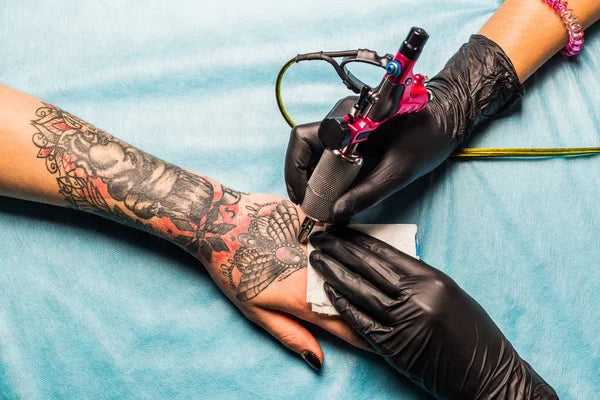
The Business of Tattooing - Booked Out for 6 Months”: The Hidden Financial & Emotional Risks Behind the Flex
In today’s tattoo industry, being “booked out for months” is the ultimate flex. It signals demand, status, and credibility. But behind the humblebrag? There are hidden costs—financial, emotional, and cultural—that most artists don’t talk about.

How to Get a Tattoo Apprenticeship in 2025 (Without Selling Your Soul or Getting Scammed)
So you want to be a tattoo artist in 2025? That’s amazing.But let’s get one thing straight from the start: There is no official “Apply Here” button.Tattoo apprenticeships aren’t handed out like college acceptances. You can’t just DM your favorite artist and expect to be welcomed with open arms. You have to earn it.With your art. Your attitude. And your ability to show up and shut up (with respect). Here’s exactly how to do it.

The Business of Tattooing - Maximizing Client Engagement in the Digital Age: From Booking to Aftercare
In today’s fast-paced digital world, every interaction with your clients - from the moment they book an appointment to the follow-up aftercare - is an opportunity to build lasting relationships and a thriving tattoo business. Whether you’re a seasoned artist or just starting out, integrating modern digital tools into your workflow can streamline your process and enhance your client experience.
About the Electrum Blog:
From tattooing's past to the future, the team of artists and shop owners at Electrum share their perspectives and knowledge on everything tattoo industry.
A few of the things you'll find in our blog posts:
- Business and Industry Insights: advice and ideas for tattoo business growth, current industry trends and strategies for attracting clients, whilst managing a full schedule.
- Compliance and Safety: Information regarding regulatory compliance and our mission to produce safe, compliant inks.
- Product Information: Details about our specific products.
- Interviews and Events: Discussions and recaps from industry events.