
Electrum Premium Tattoo Supply
We are committed to providing tattoo artists with the best selection of top-quality tattoo products to enhance the craft. Our extensive inventory of tattoo supplies includes premium tattoo inks, tattoo needles, tattoo machines, and cartridge tattoo needles, ensuring you have the essential tools for exceptional artistry. We also offer a range of medical supplies, such as tattoo anesthetics and ointments, to support safe and comfortable tattooing experiences.
With a focus on quality, innovation, and customer satisfaction, Electrum Supply is your trusted partner in the tattoo industry, indlucing tattoo wholesale. Explore our diverse product lineup today, including Electrum Ink, and discover why professionals choose us for their tattoo supply needs.
Featured Tattoo Supplies
Built by artists, trusted by professionals.
We Have Moved
We’ve moved our warehouse and storefront from CR 45 to 1527 W. Wilden Ave.
Thank you for your patience and for being part of the Electrum family.
Full details available in our blog post below.
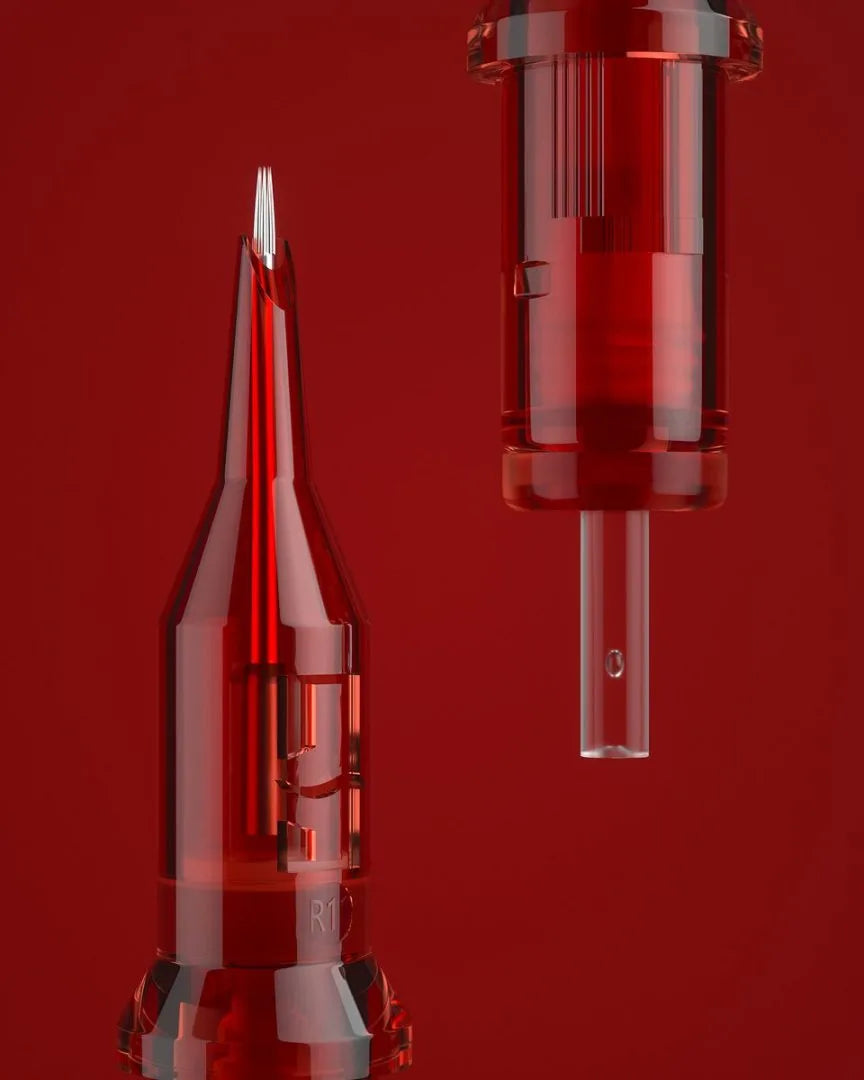
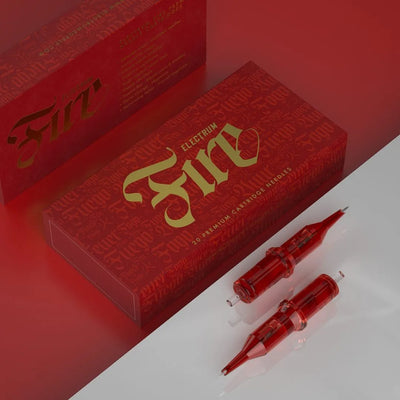
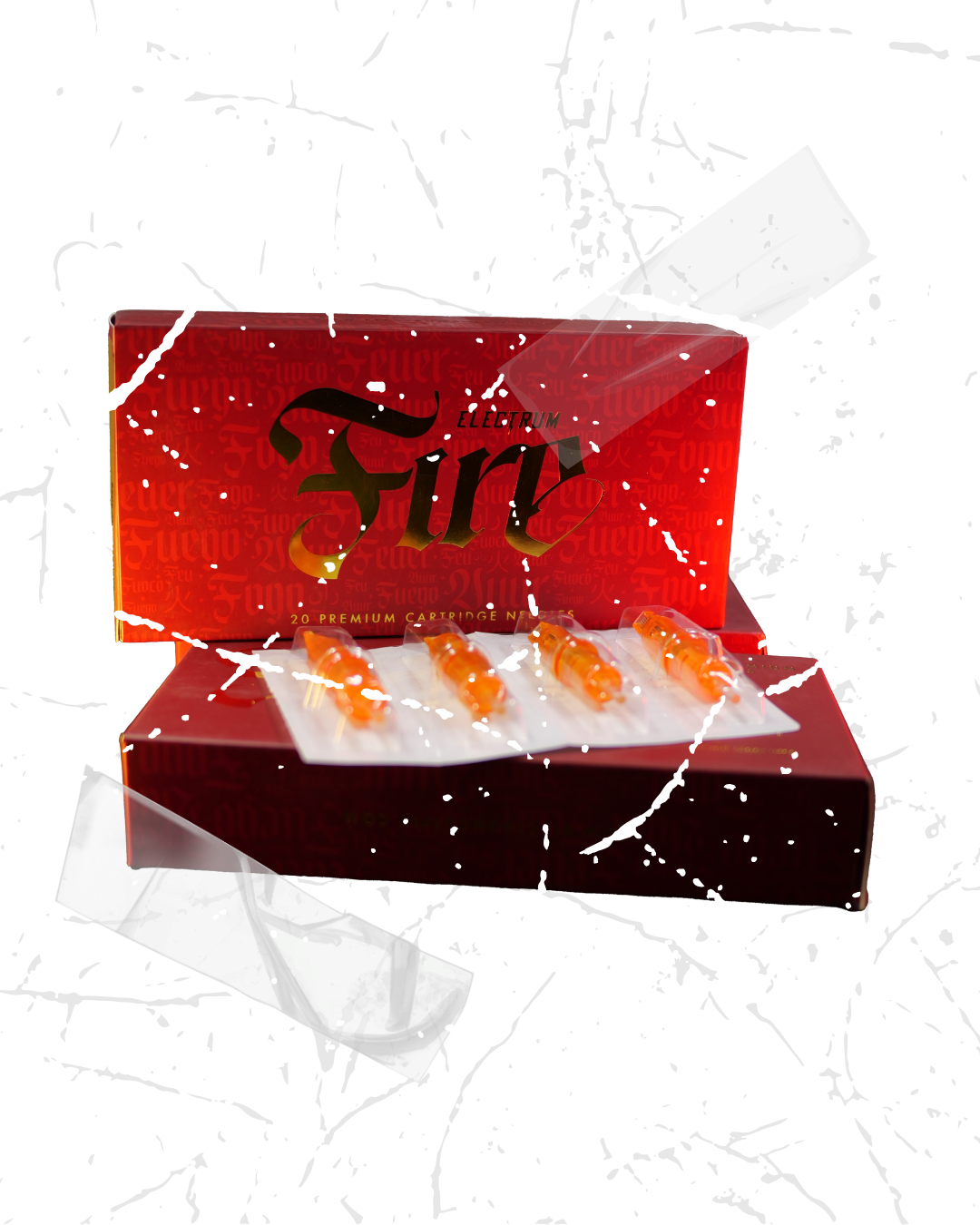
Start Playing with Fire
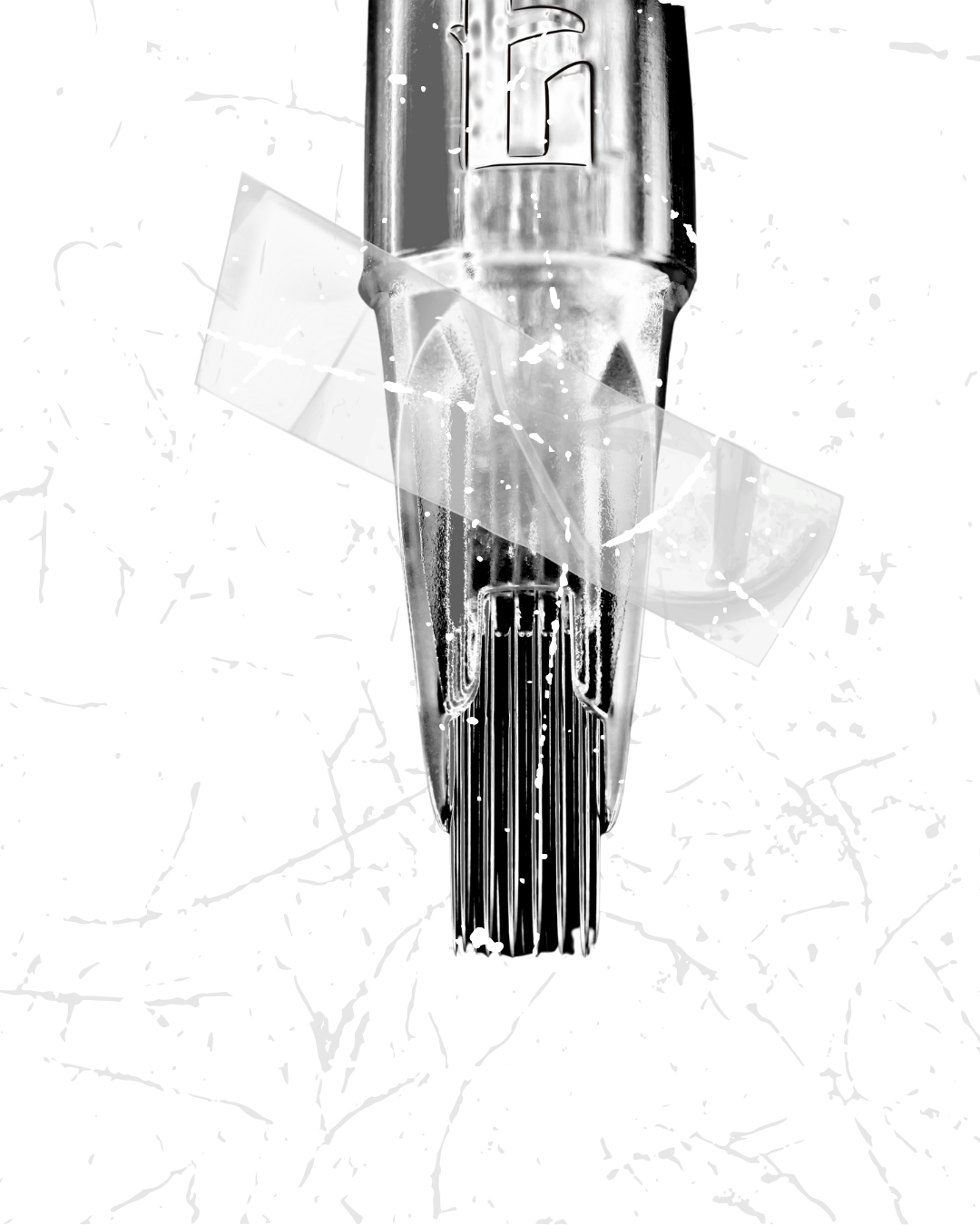
- Safe AF - Industry standard internal membrane
- Stable AF - Featuring the FIRST Double Stabilization Technology (Patent Pending) - Say good bye to needle wobble
- Sharp AF - Crafted with the sharpest 316 Surgical Steel to stay sharp for even the LONGEST sessions
- Affordable AF - Stop paying the premium prices for cartridges - FIRE Cartridges are the same quality as brands like Peak Stellar and Kwadron, but without the excessive pricing.
We're OFFICIALLY changing the meaning of AF to (As Fire)
Use code TRYME20 for 20% off your first order. Use code DISRUPT30 on any Electrum cartridge orders over $500 (FIRE, Gold Standard & PMU) to save 30% every time you order
Shop Premium Tattoo Cartridges

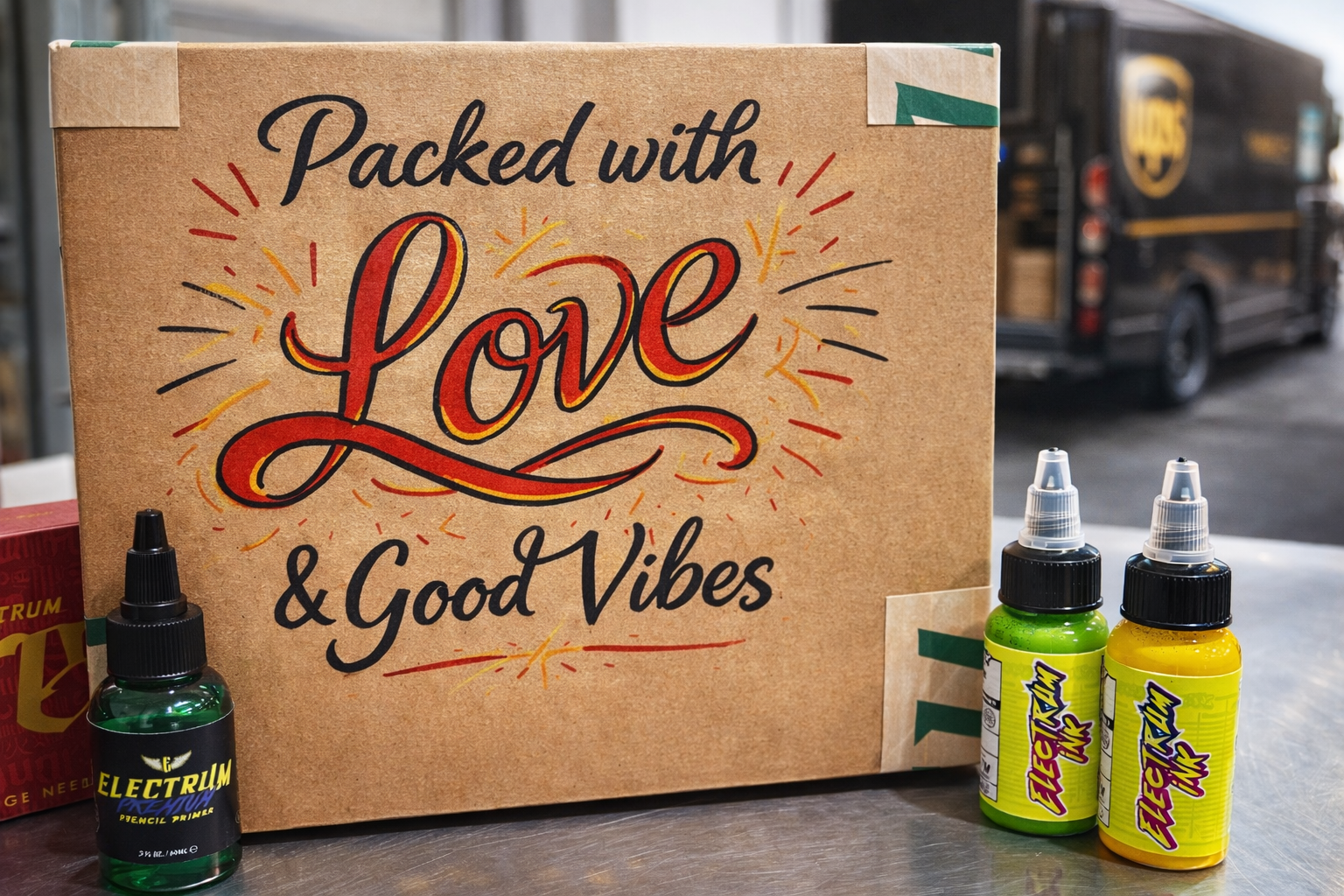
Made With Love & Good Vibes
We are committed to providing tattoo artists with the best selection of top-quality tattoo products to enhance the craft. Our extensive inventory of tattoo supplies includes premium tattoo inks, tattoo needles, tattoo machines, and cartridge tattoo needles, ensuring you have the essential tools for exceptional artistry.
We also offer a range of medical supplies, such as tattoo anesthetics and ointments, to support safe and comfortable tattooing experiences.
Shop Electrum Merch
Blog posts
SELF TAUGHT SERIES - What to Learn Before You Ever Touch a Tattoo Machine
Tattooing does not start with a machine. It starts with responsibility. Before needles, before ink, before practice skins, there are fundamentals that must come first. Skipping them doesn’t make you self-taught. It makes you unsafe. This isn’t about gatekeeping.It’s about protecting people’s bodies, your future, and the craft itself. 1. Bloodborne Pathogens (BBP) Is Non-Negotiable If you don’t understand bloodborne pathogens, you are not ready to tattoo. Full stop. You need to know: How bloodborne diseases are transmitted How cross-contamination actually happens Why gloves, barriers, and disposal matter What proper sterilization looks like (and what it doesn’t) This isn’t trivia. It’s health and legal liability. Tattooing breaks skin. Breaking skin without understanding BBP puts clients, artists, and anyone in the space at risk. If BBP feels boring or optional to you, tattooing is not for you. 2. Hygiene and Cross-Contamination Basics Clean is not the same as sterile. You must understand: Clean vs contaminated vs sterile zones How to set up a workstation properly How contamination travels through touch, surfaces, and tools Why shortcuts cause infections Most serious tattoo complications come from poor setup and poor habits, not bad art. If you can’t confidently explain how to prevent cross-contamination, you should not be holding a machine. 3. Skin Anatomy and Healing (Not Just “Ink Goes Here”) Tattooing is not drawing. It is controlled injury. Before touching a machine, you need to understand: The layers of the skin Where tattoo ink is meant to sit Why depth matters How trauma affects healing What happens when you overwork skin This knowledge protects clients from scarring, blowouts, and long-term damage. If you don’t know why tattoos heal the way they do, you’re not ready to create one. 4. Drawing Fundamentals Matter More Than Equipment Machines don’t create good tattoos. Artists do. Before touching a machine, you should already be working on: Line control Shape consistency Contrast and readability Understanding how designs sit on bodies, not paper If your drawings aren’t solid, tattooing will not fix that. It will expose it permanently. Tattooing magnifies weaknesses.It doesn’t hide them. 5. Practice Must Happen on Fake Skin Only This needs to be said clearly: Never tattoo real skin as practice.Not yourself.Not friends.Not “just something small.” Real skin carries: Infection risk Legal consequences Permanent outcomes Synthetic practice skins exist for a reason. Use them. Tattooing real skin without proper training, supervision, and licensing is reckless and unethical. 6. Know the Law Where You Live Tattooing is regulated for a reason. Before you touch a machine, you should know: Licensing requirements in your area Health department rules What is legal and what isn’t What could permanently block you from working professionally “I didn’t know” does not protect you legally or ethically. 7. Understand the Weight of Permanence Tattoos don’t wash off. Every line you put into skin: Alters someone’s body permanently Can affect how they’re seen and treated Carries emotional and physical weight If you aren’t prepared to take that seriously, you should stop before you start. Tattooing is not experimentation on people. A Reality Check Before You Go Further Before touching a machine, ask yourself honestly: Am I prioritizing safety over speed? Am I willing to wait until I’m ready? Do I respect the responsibility involved? Am I doing this for skill, or validation? There is no honor in rushing.There is real harm in being careless. Final Word Tattooing starts long before ink ever touches skin. If you want to tattoo: Learn the risks Respect the body Take the responsibility seriously However you enter this industry, do not skip the fundamentals. People trust tattooers with their bodies.That trust is earned through care, patience, and discipline.
Read moreThe Business of Tattooing - No Algorithm Replaces Time
Instagram makes tattooing look fast. Fast bookings.Fast recognition.Fast careers. Scroll long enough and it starts to feel like everyone else skipped the hard part. Like you’re behind. Like you’re doing something wrong because your progress looks slower, quieter, or less flashy. But here’s the truth that doesn’t trend well: Visibility accelerated. Tattooing did not. No platform changed how muscle memory forms.No algorithm replaced repetition.No viral post substituted for time on skin. Tattooing is still a trade built on cumulative skill. And that matters more now, not less. What Social Media Actually Changed (and What It Didn’t) Social media changed who can be seen.It did not change how tattooers get good. What it sped up: Exposure Audience access Booking pressure earlier in careers What it didn’t: Technical mastery Problem-solving under pressure Physical endurance Long-session consistency This mismatch is where a lot of burnout starts. Artists are pushed to perform at a level their skills or bodies haven’t fully caught up to yet. Not because they’re lazy or untalented, but because the timeline looks different online than it does in real life. Why “Shortcuts” Backfire in Tattooing Shortcuts usually skip the unglamorous parts.Unfortunately, those are the parts that protect you later. Here’s what often gets skipped: 1. Learning how to recover from mistakes mid-tattoo Not just avoiding mistakes, but fixing them calmly without panic. 2. Building consistency across long sessions A clean two-hour tattoo is different from a clean six-hour one. Endurance matters. 3. Understanding tool behavior over time How needles, inks, and machines behave after hours of use, not just the first pass. 4. Developing physical awareness Knowing when grip tension is creeping up. When posture is failing. When fatigue is changing your line quality. When these skills are skipped, artists often compensate by working harder instead of working smarter. That compensation has a cost. Practical Reality Check: Skill Compounds, Hype Doesn’t A career is built on what compounds. Skill compounds.Consistency compounds.Good systems compound. Hype burns hot and fast. You don’t feel the difference immediately. But over months and years, it becomes obvious who built a foundation and who built momentum without support underneath it. What to Focus on Instead of Speed (Actionable Advice) 1. Standardize your setup Consistency in tools matters more than novelty. Use supplies you understand deeply Reduce variables in your setup Stop switching products constantly chasing “better” When your tools behave predictably, you can focus on technique instead of troubleshooting. 2. Track fatigue, not just bookings Being fully booked doesn’t mean you’re doing well. Pay attention to: Hand soreness after sessions Loss of precision late in the day Irritability or brain fog while working These are early warning signs, not personal flaws. 3. Build skill at the pace your body can support Growth that ignores physical limits isn’t sustainable. Ask: Can I maintain this workload for months, not weeks? Does my setup reduce strain or add to it? Am I resting intentionally, or only when forced? Longevity requires planning, not just ambition. 4. Learn deeply, not broadly Doing fewer things well beats doing many things inconsistently. Depth builds confidence.Confidence reduces stress.Reduced stress improves outcomes. 5. Remember that mastery is quiet The most durable careers often look boring online. They’re built on: Repeat clients Predictable income Controlled schedules Bodies that still function That’s not failure. That’s success without burnout. Instagram Is a Tool, Not a Timeline Social media is useful.It is not a measuring stick for your worth or your progress. Tattooing doesn’t reward urgency.It rewards patience, repetition, and respect for the body doing the work. There was never a shortcut era.There was just a louder highlight reel. Build the career that lasts longer than the algorithm.
Read moreUnderstanding Skin Types: Why Some Tattoos Fight Back
If you don’t understand the skin in front of you, your technique won’t save you. Every apprentice falls into the same trap:They learn one way to tattoo… and try to apply it to every client. But skin isn’t consistent.Skin isn’t predictable.Skin isn’t fair. Skin is the single biggest variable in tattooing — and it decides how easy (or miserable) your day will be. Here’s how to recognize different skin types, how they behave under the needle, and how to adjust before you ruin a stencil, blow a line, or overwork a piece. 1. “Perfect Skin” — The Unicorn You won’t see this often, but when you do, you’ll know. Traits: • smooth• even texture• not too thin, not too thick• hydrated• consistent tone• minimal scarring or sun damage How it tattoos: Like butter. Technique adjustments: • normal depth• standard tension• predictable shading• almost no trauma Enjoy it.You won’t always get this lucky. 2. Thin Skin — The Delicate Canvas Common on: wrists, ankles, ribs, hands, inner arm, older clients Traits: • translucent• visible veins• stretches easily• bruises quickly• sits close to bone Behavior: • blows out easily• lines can look wobbly• shading can chew up quickly• needle goes too deep with very little pressure Adjustments: • lighten hand pressure• reduce depth• increase stretch• use longer tapers or smaller diameters• move faster (no dwelling) If you’re not careful, you’ll eat this skin alive. 3. Thick Skin — The Stubborn Fighter Common on: upper arms, thighs, shoulders, back Traits: • tough• slower to take ink• higher tolerance• less stretchable Behavior: • ink skips if your stretch is bad• lines may look faint• shading takes longer• requires confident pressure Adjustments: • stronger stretch• slightly deeper depth• steadier hand speed• moderate voltage• longer strokes for shading If you’re timid, thick skin will expose you immediately. 4. Dehydrated Skin — The Flaky Saboteur Dehydrated skin shows up on every client who doesn’t moisturize, drinks like a fish, or sits under a heater all winter. Traits: • dull• flaky• tight• easily irritated• ink doesn’t glide well Behavior: • patchy shading• inconsistent lines• irritated redness• fast overworking Adjustments: • increase hydration pre-tattoo• use gentle cleansers (avoid stripping soaps)• work slower, with care• wipe gently — no scrubbing• avoid heavy saturation in one sitting This skin demands patience. 5. Sun-Damaged Skin — The Textured Wildcard A lot of clients have this and don’t realize it. Traits: • leathery• mottled texture• hyperpigmentation• inconsistent stretch• ages fast Behavior: • lines appear inconsistent• shading doesn’t blend smoothly• trauma is harder to control• color can look uneven Adjustments: • controlled hand pressure• avoid micro-detail• opt for bolder lines• blend with mags, not tight liners• don’t overwork trying to “fix” texture You can tattoo it, but you can’t erase years of UV damage. 6. Oily Skin — The Slip ’N Slide Common in: young clients, hormonal clients, hot climates Traits: • shiny surface• excess sebum• clogged pores• stencil smudges easily Behavior: • stencil wipes off• inconsistent saturation• needle slips• ink floats in the epidermis Adjustments: • cleanse thoroughly before starting• let stencil dry extra long• wipe gently but frequently• use firmer stretch• reduce surface moisture during the process This skin will fight you and your stencil. 7. Scarred Skin — The Permanent Challenge Scar tissue requires respect. Traits: • raised or sunken• unpredictable thickness• poor elasticity• poor ink retention Behavior: • ink doesn’t stay consistent• lines wobble• shading looks uneven• depth is unpredictable Adjustments: • extremely light pressure• slower machine speed• soft mags instead of liners• minimal passes• simplify design expectations Scars can be tattooed — but they will never behave like normal skin. 8. Melanin-Rich Skin — Beautiful but Misunderstood Not difficult — just different. Traits: • higher melanin layer• natural warmth in healed tones Behavior: • fine-line realism loses detail faster• color shifts warmer• white ink appears subtle or invisible• blowouts hide easier but still happen Adjustments: • avoid micro-detail• use bold lines• use richer pigments• focus on contrast, not color variety• keep shading smooth and intentional Melanin-rich skin heals tattoos beautifully — when the technique respects it. 9. Aging Skin — The Slow Canvas Older clients have earned every one of these adjustments. Traits: • looser elasticity• thinner epidermis• slower collagen recovery• more sun damage Behavior: • blowouts possible with tiny pressure changes• shading chews quickly• stretch collapses easily Adjustments: • gentler hand pressure• more deliberate stretch• avoid super-tight detail• prefer curved mags over tiny liners Tattooing older skin is precision, not force. 10. Tattooing Is the Art of Adapting Good artists don’t use one technique on everyone. Great artists adjust instantly to the skin they’re working on. If you can recognize skin behavior before you even dip your needle, you’ll: ✔ stop overworking✔ prevent blowouts✔ choose better needles✔ improve your healing results✔ grow your confidence✔ tattoo faster and cleaner Your machine matters.Your needles matter.Your ink matters. But the skin is the final boss — and learning how to work with it (not against it) is the fastest path to leveling up your career.
Read more