

Electrum's tattoo culture blog
Electrum's Tattoo Culture Blog
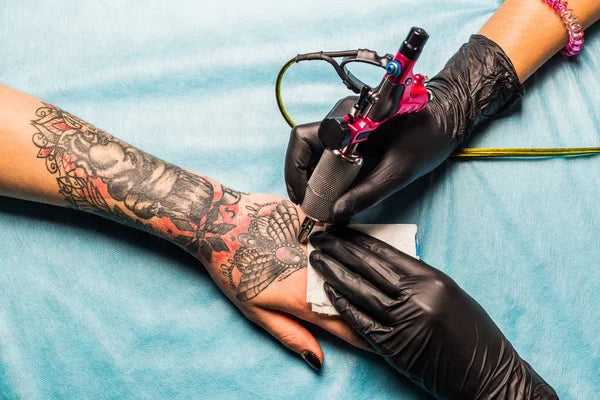
The Business of Tattooing - Booked Out for 6 Months”: The Hidden Financial & Emotional Risks Behind the Flex
In today’s tattoo industry, being “booked out for months” is the ultimate flex. It signals demand, status, and credibility. But behind the humblebrag? There are hidden costs—financial, emotional, and cultural—that most artists don’t talk about.
Read more
The Business of Tattooing - Maximizing Client Engagement in the Digital Age: From Booking to Aftercare
In today’s fast-paced digital world, every interaction with your clients - from the moment they book an appointment to the follow-up aftercare - is an opportunity to build lasting relationships and a thriving tattoo business. Whether you’re a seasoned artist or just starting out, integrating modern digital tools into your workflow can streamline your process and enhance your client experience.

The Business of Tattooing - How Tattoo Artists Can Create a Safer and More Inclusive Space for ALL Clients
In the world of body art, a tattoo isn’t just ink and skin—it’s a deeply personal expression of identity, culture, and history. As more clients seek tattoo artists who understand and respect their identities, ensuring a welcoming and inclusive environment for diverse clients has never been more important. By implementing a few thoughtful practices, you can help your clients feel seen, respected, and cared for. Here are some actionable steps you can take as a tattoo artist to help foster a positive experience for every individual who walks through your door.

The Business of Tattooing - How to Attract Your Dream Tattoo Clients: A Step-by-Step Guide
Every tattoo artist dreams of a steady stream of clients who love their work, respect their time, and align perfectly with their artistic style. But attracting your dream clients doesn’t happen by chance - it’s all about intentional branding, marketing, and building relationships. Here’s how to make it happen:

The Business of Tattooing - The Death of Walk-Ins? Or the Beginning of a Comeback?
Walk-ins are one of the most iconic parts of tattoo history. For decades, they defined shop culture: neon “Tattoo” signs glowing, clients flipping through flash, and spontaneous choices made in the moment. It was fast, accessible, and social—tattooing as part of the street. But today’s industry looks different. Between Instagram portfolios, booking apps, and specialized styles, most artists are booked weeks (sometimes months) in advance. The romantic idea of strolling in for a quick piece feels almost like a relic.

The Business of Tattooing - A practical guide for Dealing with difficult clients
As a tattoo artist, you’ll work with clients from all walks of life. While most are respectful and excited about their tattoo journey, you’ll occasionally encounter clients who can be *challenging*. Whether they’re indecisive, overly critical, or difficult to manage, handling these situations with professionalism is crucial for maintaining your reputation and creating a positive experience for everyone involved.

The Business of Tattooing - 8 Good habits for better mental health as a tattoo artist
Being a tattoo artist is incredibly rewarding, but it can also be mentally and physically demanding. Long hours, high-pressure creative expectations, and constant interaction with clients can take a toll on your mental health if you’re not careful. Prioritizing self-care and establishing healthy habits isn’t just about feeling good—it’s about ensuring you can continue creating amazing art while maintaining your well-being. Here are the best habits for tattoo artists to support mental health

The Business of Tattooing - The Ultimate Guide for Tattoo Artists: Creating Viral Content for Instagram Reels & TikTok
Creating engaging, professional-grade content is essential for tattoo artists looking to boost their visibility and attract more clients. Here’s your ultimate guide, complete with gear recommendations and specific filming techniques.

The Business of Tattooing - How branding can set you apart as a tattoo artist
As a tattoo artist, creating a cohesive brand goes far beyond simply showcasing your tattoo style. Your brand is the unique, memorable experience clients associate with you, from the way you interact to your studio's atmosphere and even the aftercare you provide. In 2025, clients are seeking artists who not only create great tattoos but also deliver an experience that reflects their own personalities, values, and aesthetics. Here’s how to build a cohesive brand that makes your work unforgettable and helps you attract more clients.

The Business of Tattooing - The Psychology of Repeat Clients: Why They Come Back (or Don’t)
Every tattooer knows the thrill of a getting a new client - but repeat clients?! They’re the backbone of a sustainable career, returning clients not only bring steady income, they also become your biggest advocates, sending you referrals and posting your work on social media. So why do some clients stay in a long term relationship with one artist for years while others bounce? The answer is partially customer service and the other part: psychology.

The Business of Tattooing: How to Raise Your Prices Without Losing Clients or Your Mind
Raising your tattoo prices doesn’t have to mean alienating your regulars or sparking a DM riot. It’s about communicating clearly, honoring your growth, and remembering you’re a business owner—not a vending machine.

What Tattoo Suppies to Upgrade First When You Can’t Afford to Upgrade Everything
Every artist hits that point: your setup works… but barely. Your back hurts, your stencils slide off, your ink looks like it came from a gas station. You want to level up—but your bank account said, “be serious.” Here’s the realistic, not-sponsored, artist-approved guide to what you should actually upgrade first when money’s tight.Prioritized by: Client safety → Tattoo quality → Artist health.

The Business of Tattooing - Stop Letting Instagram Control Your Income
Instagram is a great tool—but it should never be your only one. If every time the algorithm shifts your bookings slow down, your business is too dependent on a platform that you don’t own.
About the Electrum Blog:
From tattooing's past to the future, the team of artists and shop owners at Electrum share their perspectives and knowledge on everything tattoo industry.
A few of the things you'll find in our blog posts:
- Business and Industry Insights: advice and ideas for tattoo business growth, current industry trends and strategies for attracting clients, whilst managing a full schedule.
- Compliance and Safety: Information regarding regulatory compliance and our mission to produce safe, compliant inks.
- Product Information: Details about our specific products.
- Interviews and Events: Discussions and recaps from industry events.