






Electrum Premium Tattoo Supply
We are committed to providing tattoo artists with the best selection of top-quality tattoo products to enhance the craft. Our extensive inventory of tattoo supplies includes premium tattoo inks, tattoo needles, tattoo machines, and cartridge tattoo needles, ensuring you have the essential tools for exceptional artistry. We also offer a range of medical supplies, such as tattoo anesthetics and ointments, to support safe and comfortable tattooing experiences.
With a focus on quality, innovation, and customer satisfaction, Electrum Supply is your trusted partner in the tattoo industry, indlucing tattoo wholesale. Explore our diverse product lineup today, including Electrum Ink, and discover why professionals choose us for their tattoo supply needs.
Featured Tattoo Supplies
Built by artists, trusted by professionals.
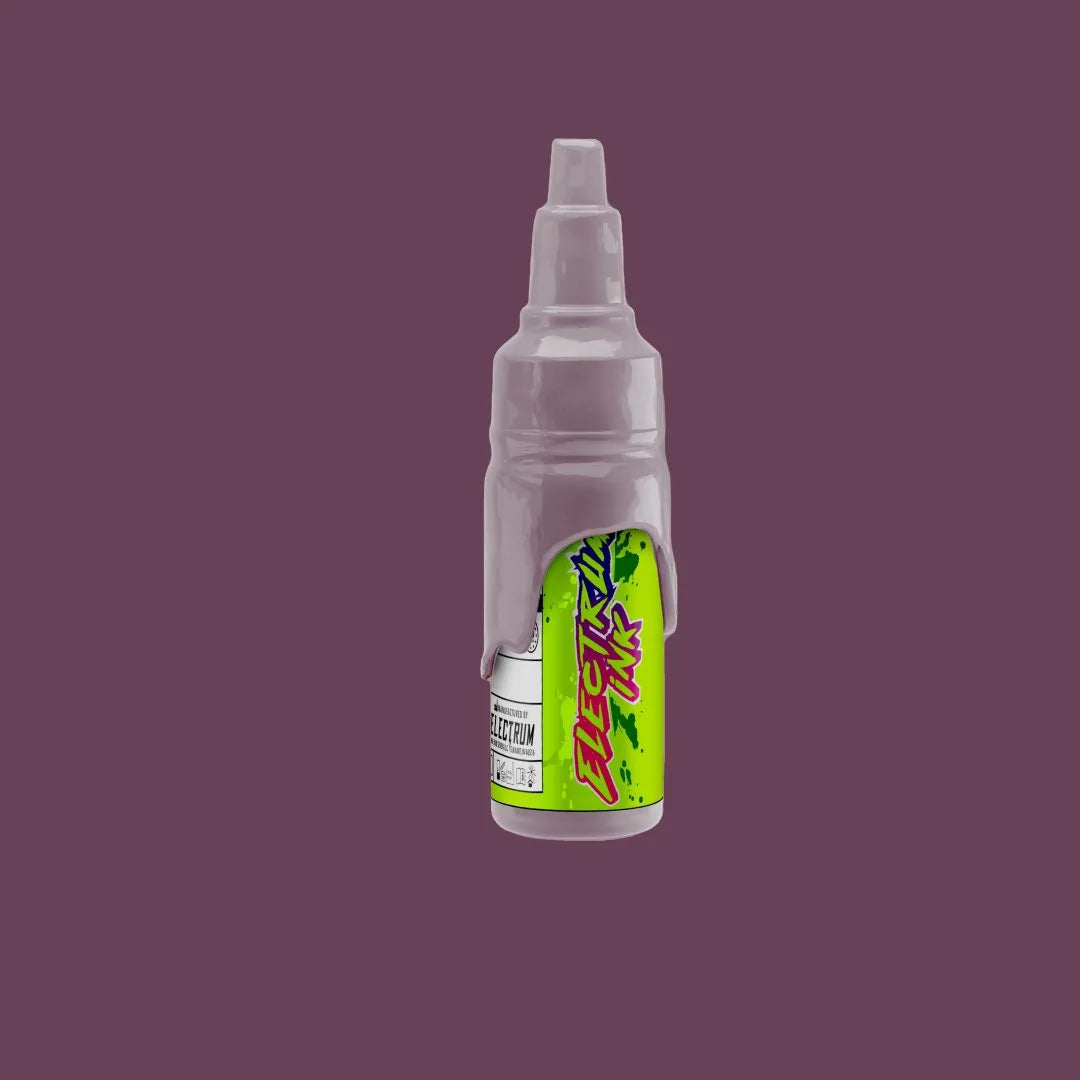
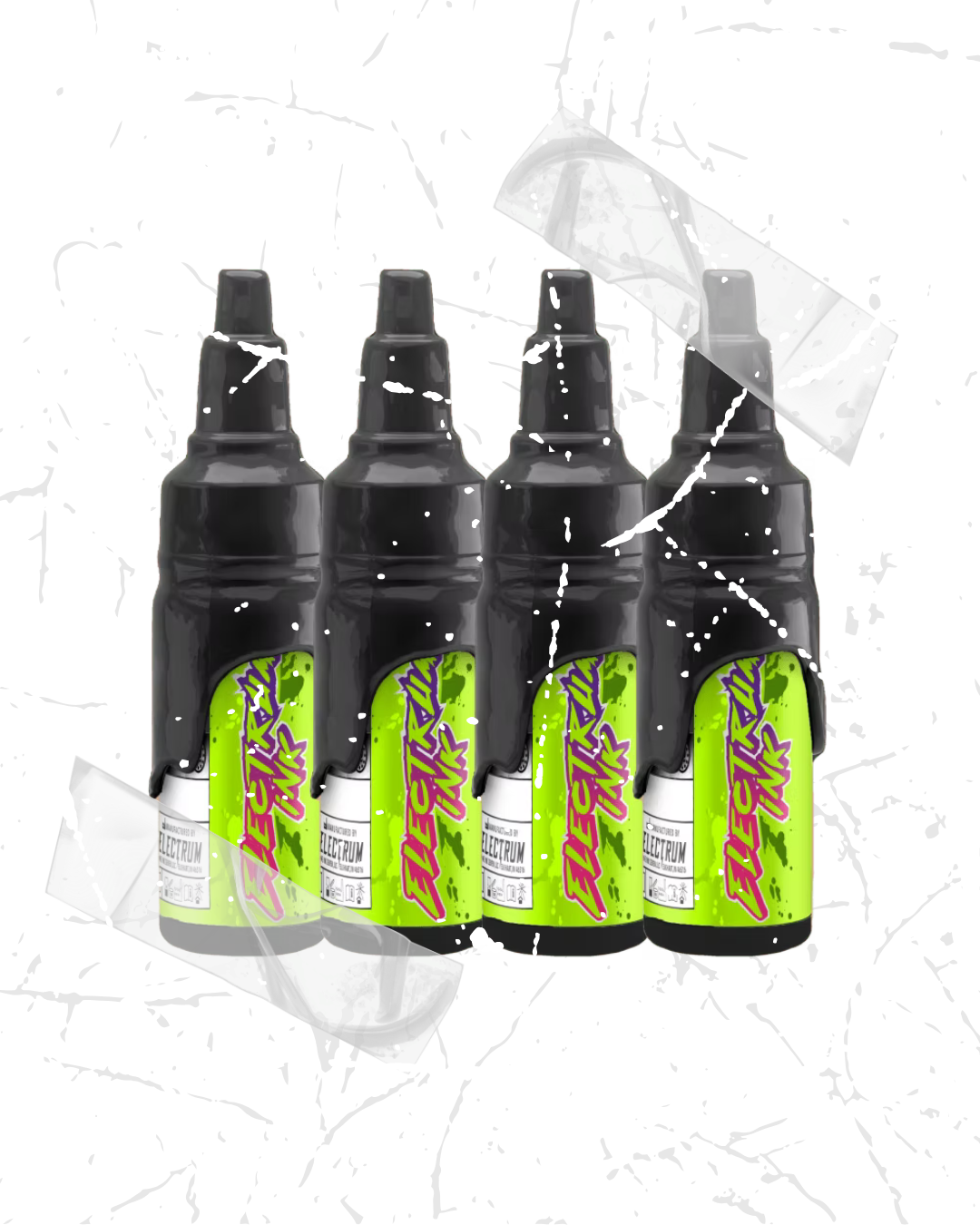
Electrum Ink - Huckleberry - (Part of Cowpoke Tattoo Ink Set)
Choose your option
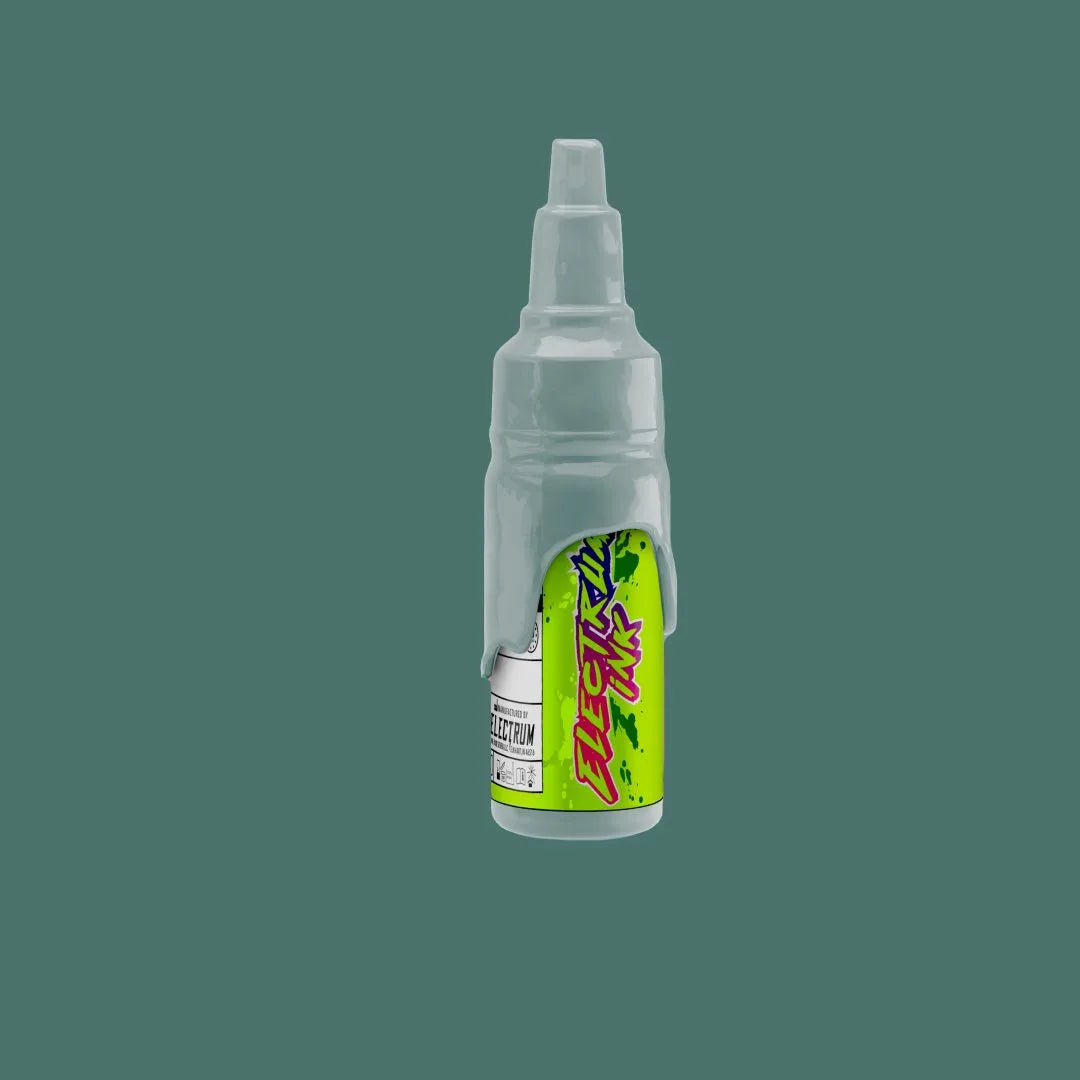
Electrum Tattoo Ink - Gunslinger - (Part of Cowpoke Tattoo Ink Set)
Choose your option


Electrum Ink - Cowpoke 8 Color Tattoo Ink Set
Choose your option
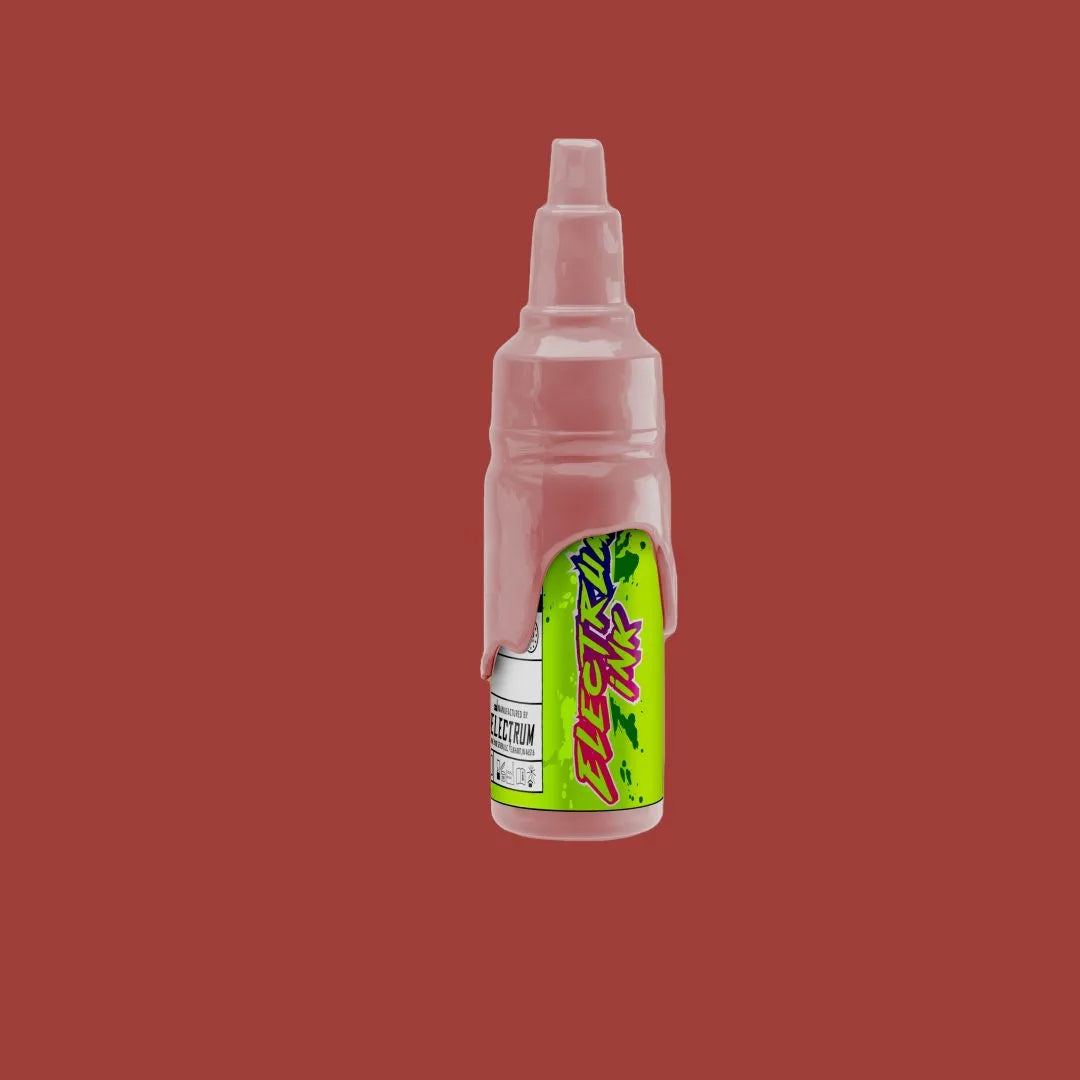
Electrum Ink - El Paso - (Part of Cowpoke Tattoo Ink Set)
Choose your option

Electrum Ink - Deadwood - (Part of Cowpoke Tattoo Ink Set)
Choose your option
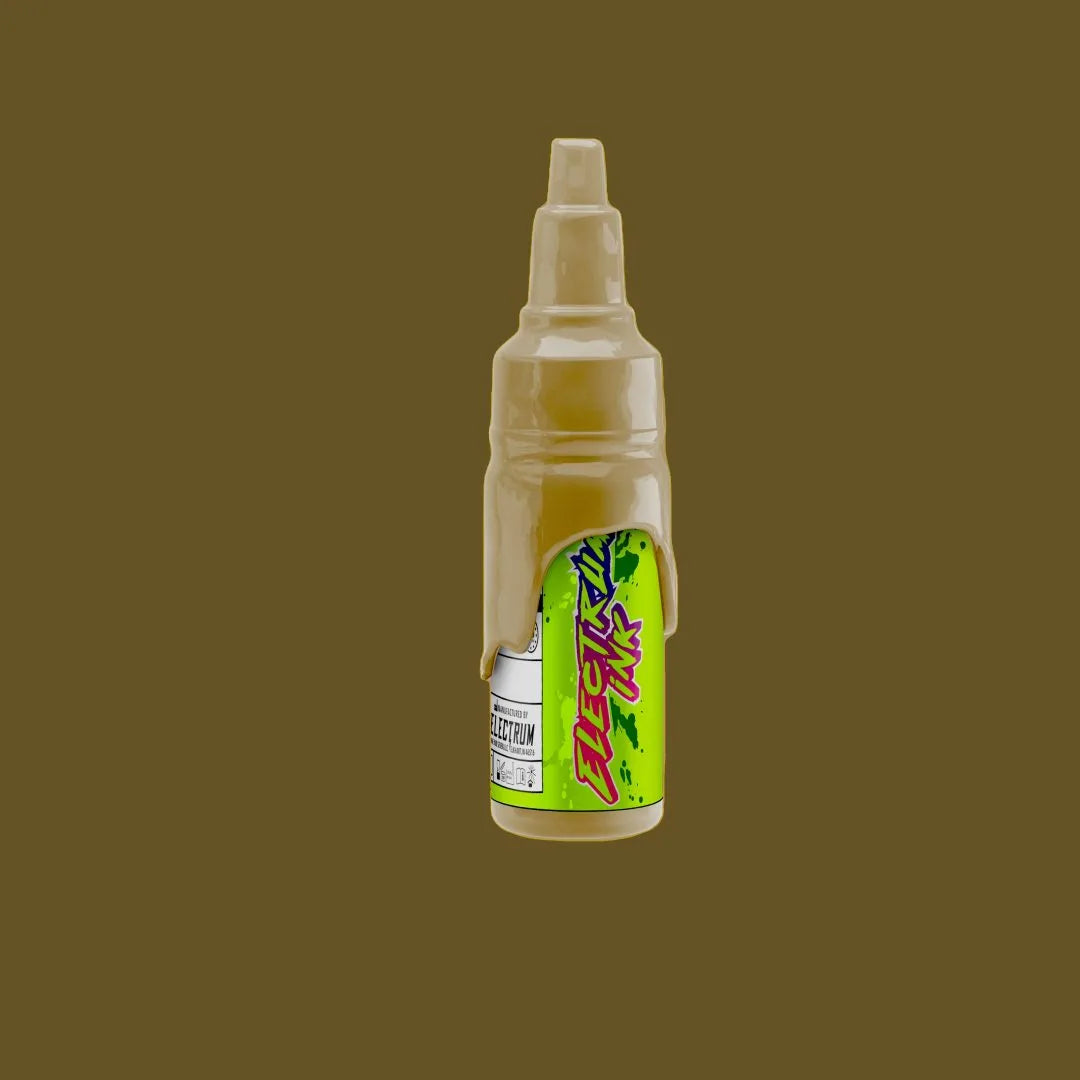
Electrum Ink - Fools Gold - (Part of Cowpoke Tattoo Ink Set)
Choose your option
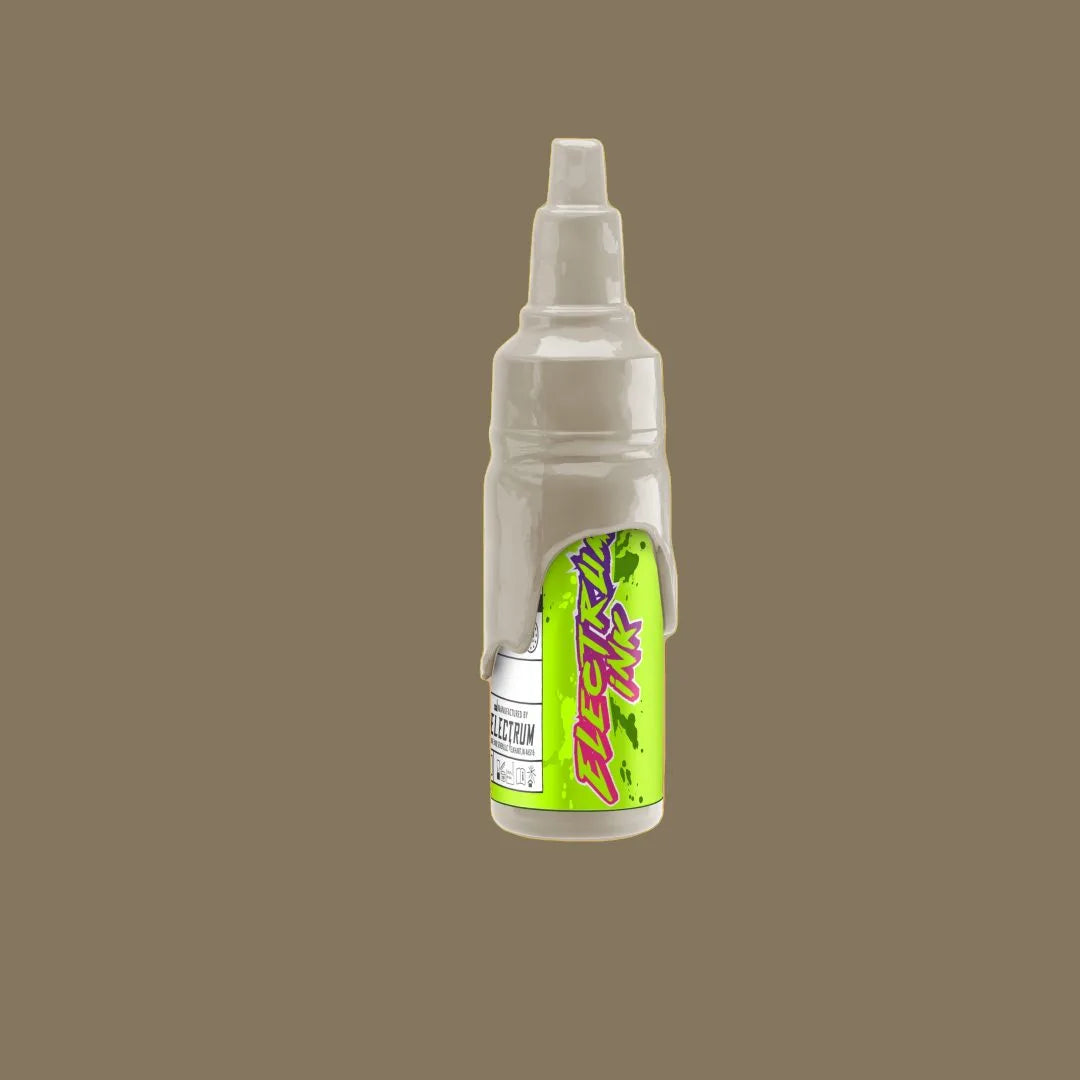
Electrum Ink - Snake Oil - (Part of Cowpoke Tattoo Ink Set)
Choose your option


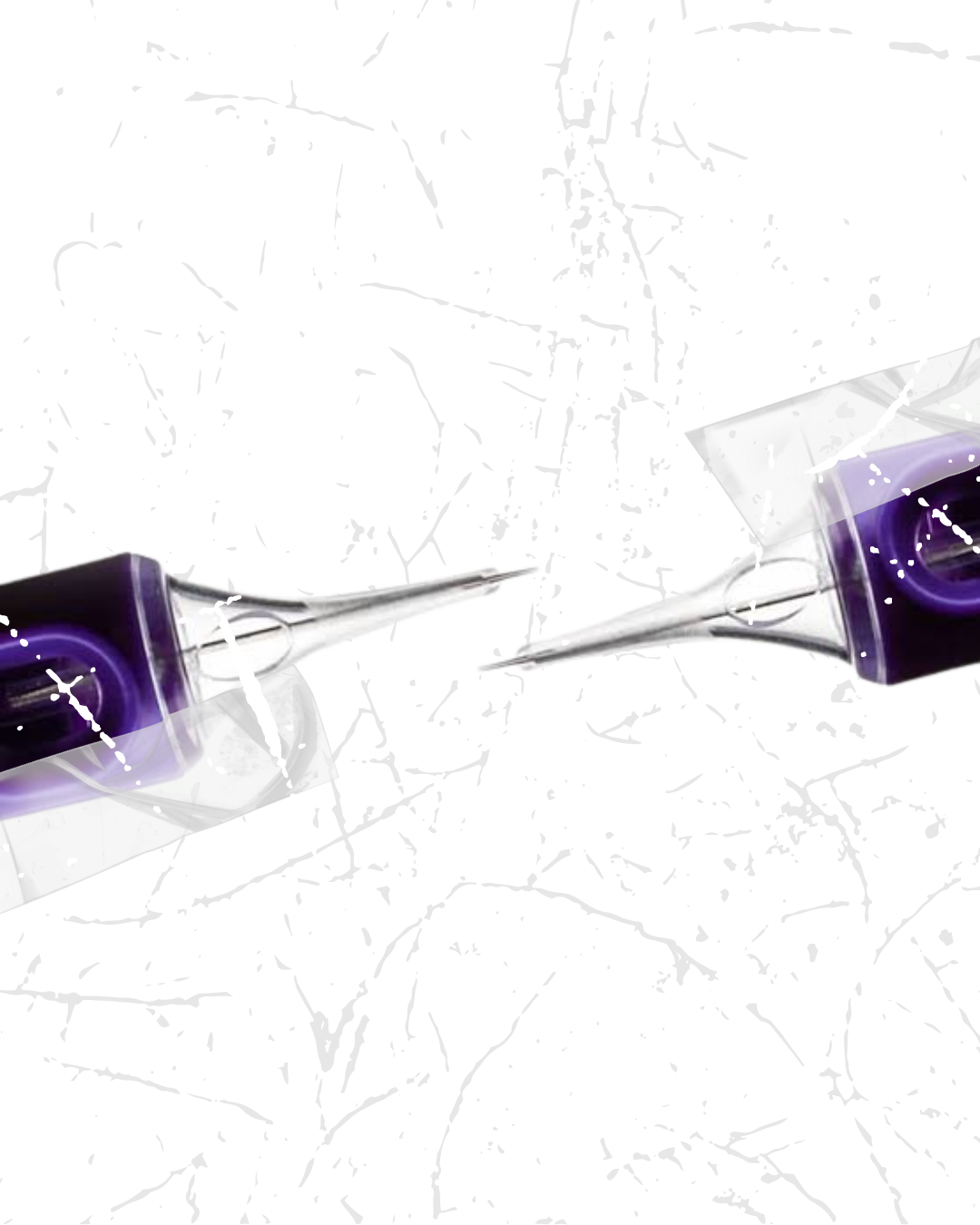
Electrum Gold Standard Cartridge Needles - Round Liner (Regular Tight)
Choose your option


Electrum Gold Standard Cartridge Needles - Curved Magnum
Choose your option


Electrum Gold Standard Cartridge Needles - Round Shader
Choose your option


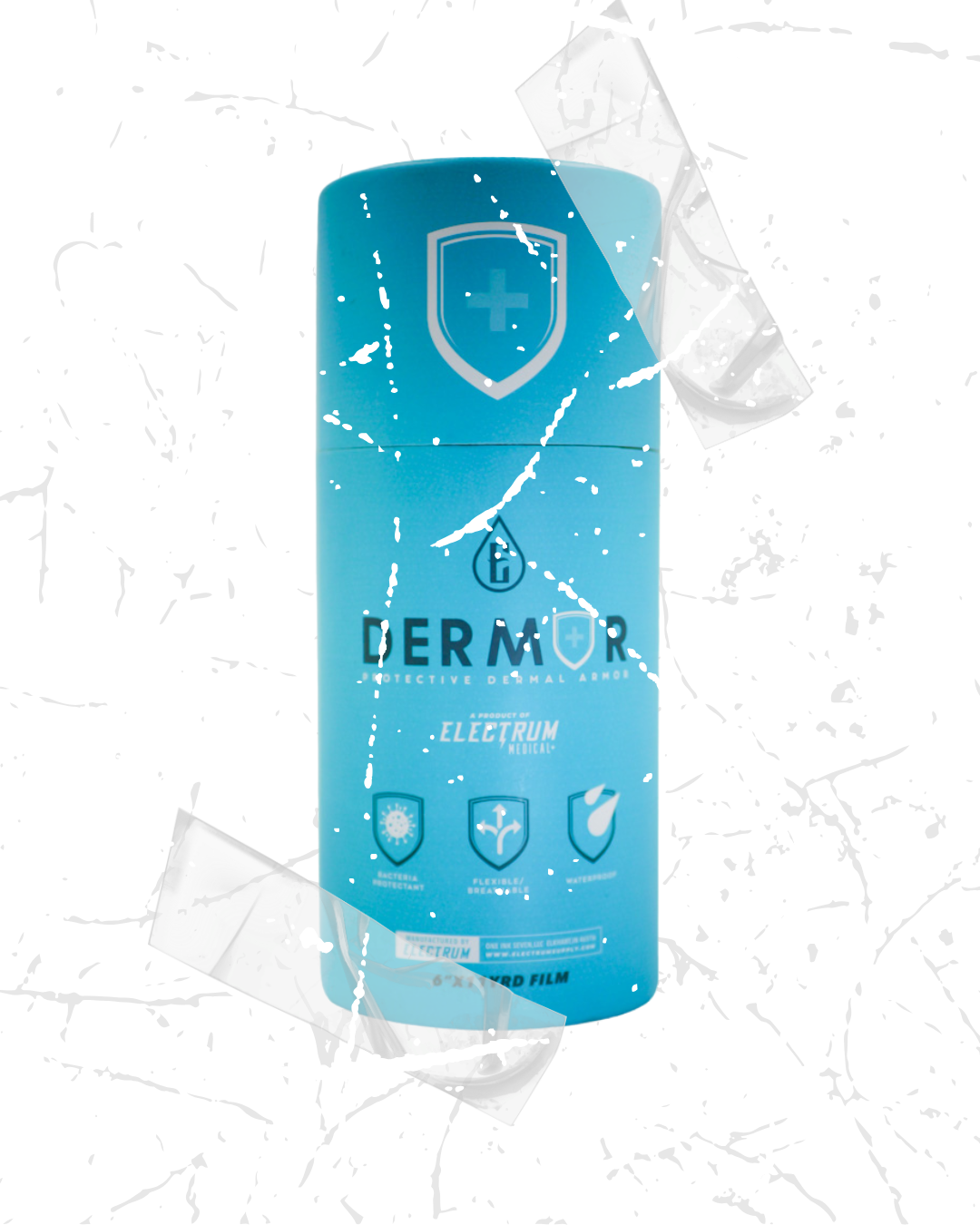
Electrum DERMOR Protective Dermal Armor
Choose your option


Electrum Gold Standard Cartridge Needles - Bugpin Round Liner
Choose your option


Electrum Gold Standard Cartridge Needles - Round Liner (Super Tight)
Choose your option


Electrum Gold Standard Cartridge Needles - Bugpin Curved Magnum
Choose your option
We Have Moved
We’ve moved our warehouse and storefront from CR 45 to 1527 W. Wilden Ave.
Thank you for your patience and for being part of the Electrum family.
Full details available in our blog post below.
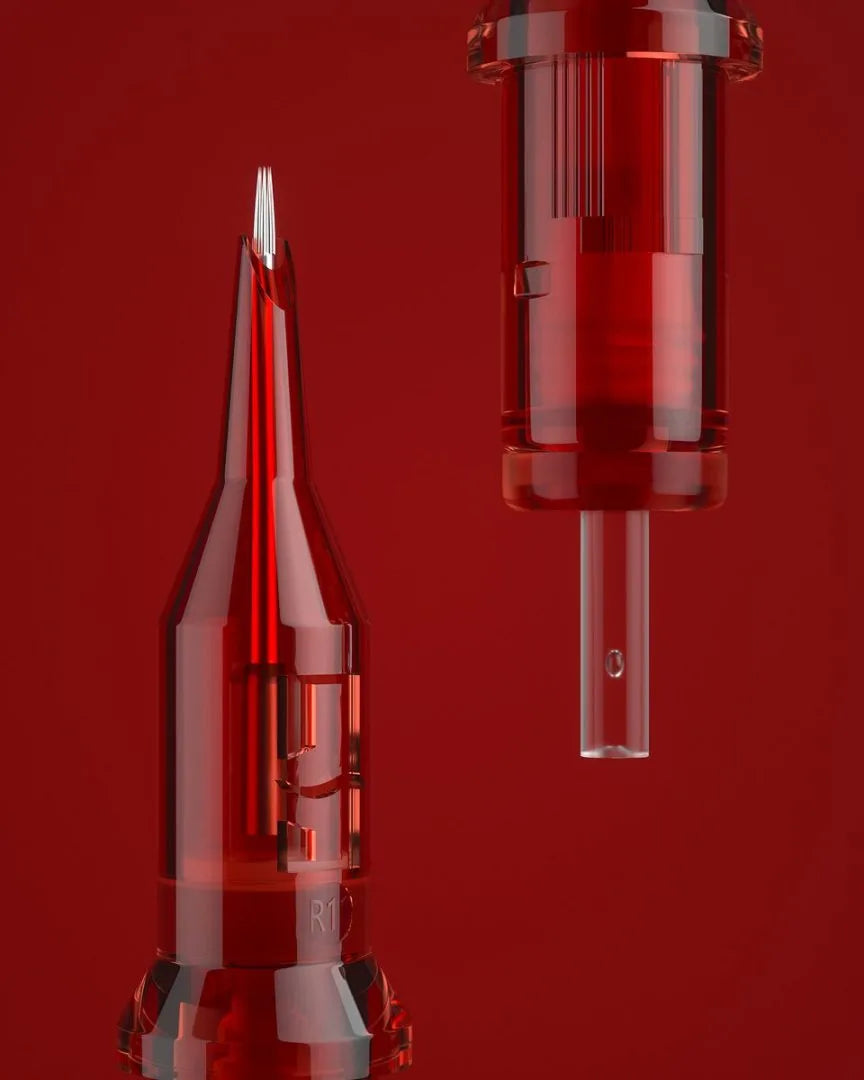
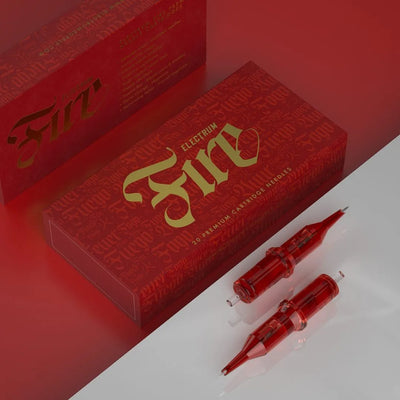
Start Playing with Fire
- Safe AF - Industry standard internal membrane
- Stable AF - Featuring the FIRST Double Stabilization Technology (Patent Pending) - Say good bye to needle wobble
- Sharp AF - Crafted with the sharpest 316 Surgical Steel to stay sharp for even the LONGEST sessions
- Affordable AF - Stop paying the premium prices for cartridges - FIRE Cartridges are the same quality as brands like Peak Stellar and Kwadron, but without the excessive pricing.
We're OFFICIALLY changing the meaning of AF to (As Fire)
Use code TRYME20 for 20% off your first order. Use code DISRUPT30 on any Electrum cartridge orders over $500 (FIRE, Gold Standard & PMU) to save 30% every time you order
Shop Premium Tattoo Cartridges


Electrum FIRE Premium Tattoo Needle Cartridges - Round Liner Regular Tight #12
Choose your option


Electrum FIRE Premium Tattoo Needle Cartridges - Round Liner Super Tight #12
Choose your option


Electrum FIRE Premium Tattoo Needle Cartridges - Round Liner Bugpin #8
Choose your option


Electrum FIRE Premium Tattoo Needle Cartridges - Round Power Super Tight Liners #12
Choose your option


Electrum FIRE Premium Tattoo Needle Cartridges - Round Shader #12
Choose your option


Electrum FIRE Premium Tattoo Needle Cartridges - Curved Magnum #12
Choose your option


Electrum FIRE Premium Tattoo Cartridges - Curved Magnum Bugpin #8
Choose your option


Electrum FIRE Premium Tattoo Needle Cartridges - Magnum #12
Choose your option
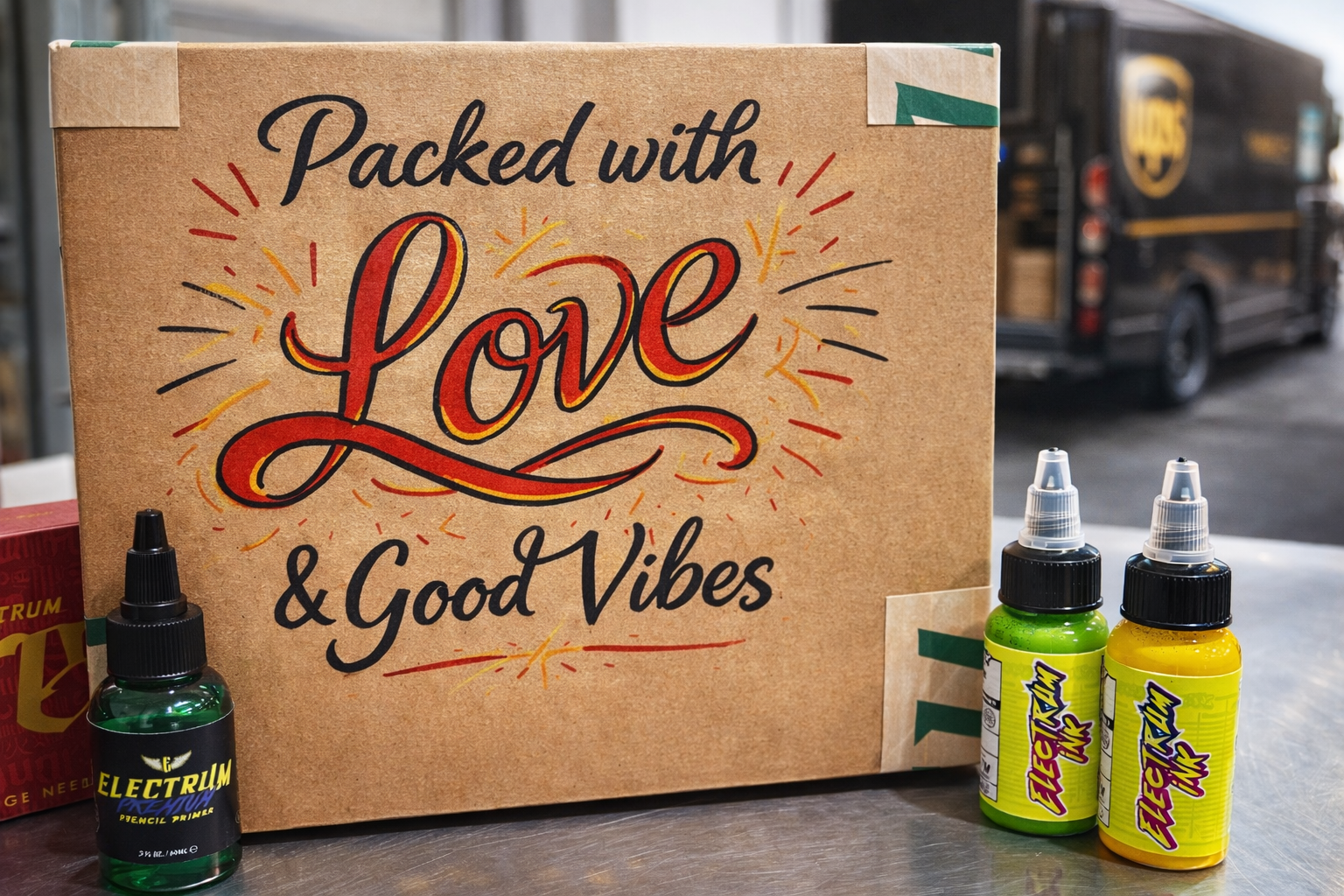

Made With Love & Good Vibes
We are committed to providing tattoo artists with the best selection of top-quality tattoo products to enhance the craft. Our extensive inventory of tattoo supplies includes premium tattoo inks, tattoo needles, tattoo machines, and cartridge tattoo needles, ensuring you have the essential tools for exceptional artistry.
We also offer a range of medical supplies, such as tattoo anesthetics and ointments, to support safe and comfortable tattooing experiences.
What Tattoo Artists Say About Electrum Tattoo Supplies
"My favorite thing about Electrum's Inks is how smooth it is to saturate and blend pieces! From mixing to applying, it's always so smooth and buttery! It's healed finish is also super satisfying and perfectly pigmented."

"I've been using their stencil transfer gel for years. I was excited to recently find out they offer so much more. Their own stencil paper, tattoo cartridges, grips. Just received my first order and my box had positive vibes all over it. I'm not a girl or anything and I've never used this word before... but it was adorable. Or "Adorbs" if my slang is hip."

"I've been using Electrum Ink for well over a year now when they first launched in Australia.I especially love the quirky and fun names of the colors! Even from my first use I noticed how easily they saturated into the skin and blended. My healed work definitely comes back super vibrant even with pastel colours."

"Searching for an XL (XXL) arm rest, and I’ve had experience with 2 big name brands. One “workshop” and Electrum. I can honestly say the one thing that set these two apart for me was the customer service and willingness to actually hear me, and help."

"The products they supply my tattoo guy make my tattoos so much easier!!! Thank you. He put the clear DERM layer (I think that's what it is called) helped with my healing so so so much!"

"Since I started using their full range, I've experienced the comfort, quality and outstanding performance they bring to the tattoo process. What I love the most is how functional everything is: each product is designed with professional logic, aimed at making every stage of the process easier and more efficient."

"This heals fucking black"

Shop Electrum Merch



Electrum Supply Voltage Crop Hoodie
Choose your option


Choose your option
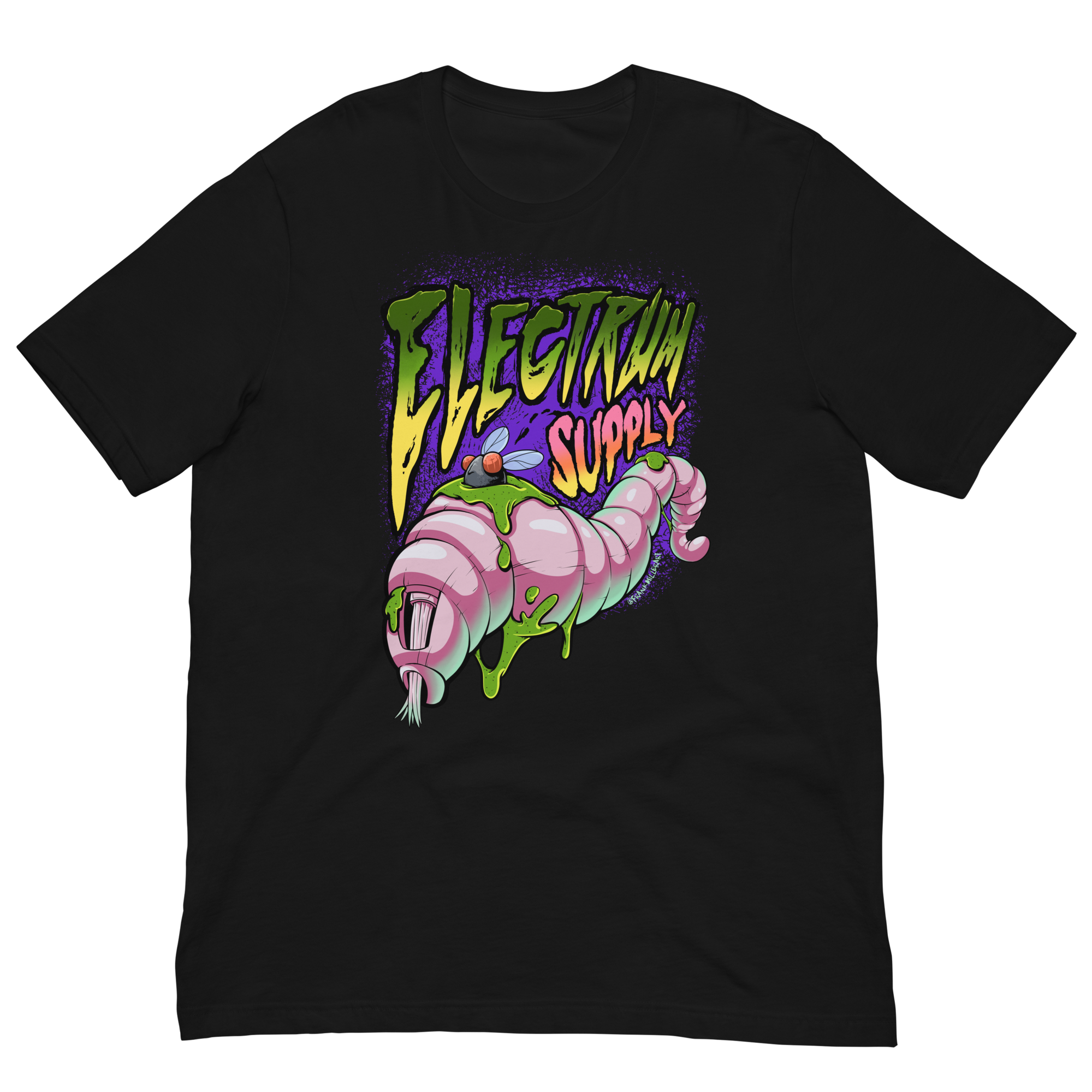
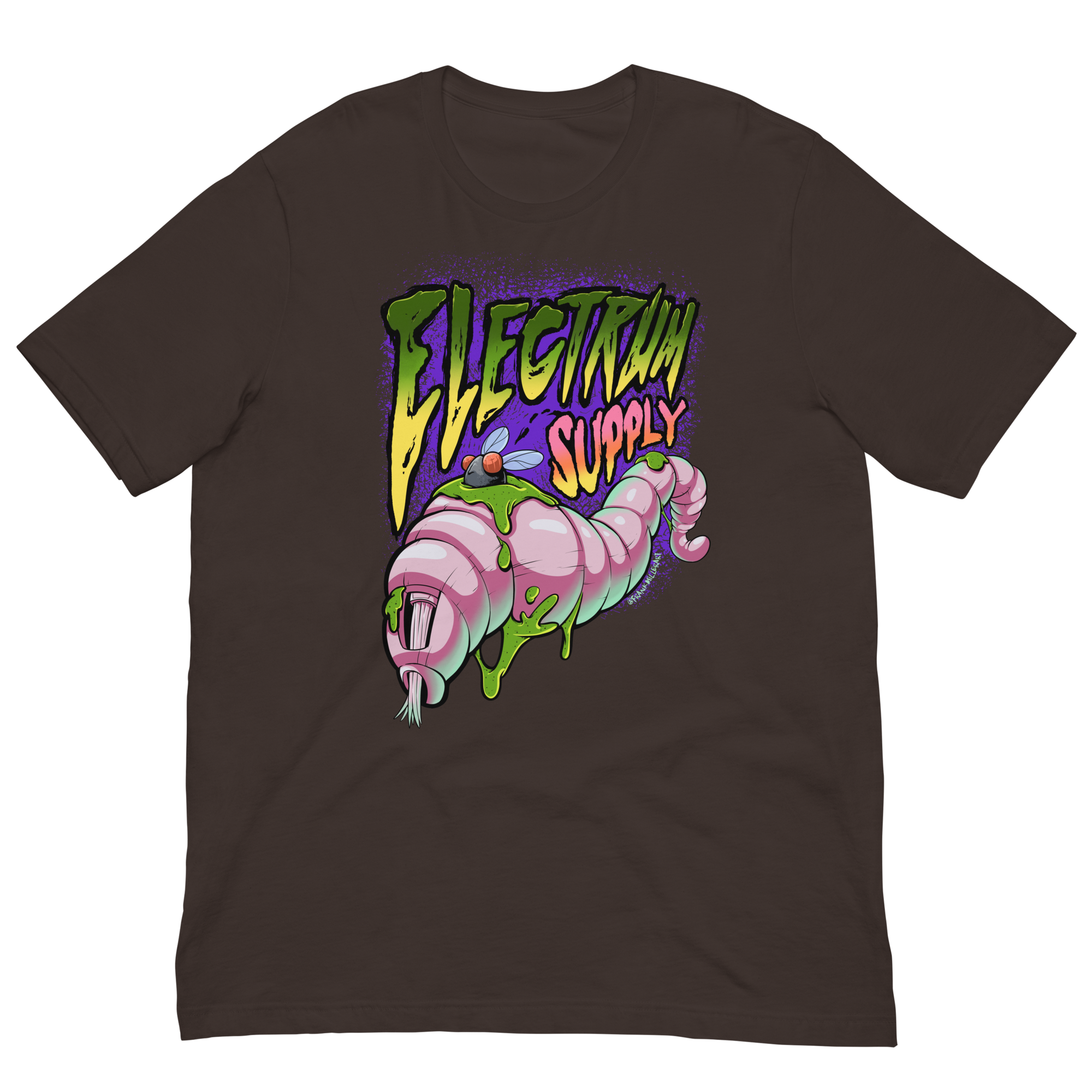
Frank Miller - "Fly Me to the Doom" Tee
Choose your option


Frank Miller's "Green Gold Cheddar Mutation" Tee
Choose your option


Frank Miller’s "Unholy Saturation" Tee
Choose your option


Notorious Ink - "Frankly Batshit" by Frank Miller Tee
Choose your option


Electrum Ink - Frank Miller's "Zombieeee!" Tee
Choose your option


Electrum Supply Bikini – Pink Glitter Metal
Choose your option
Blog posts

SELF TAUGHT SERIES - A Safe Progression Timeline: From Practice to Supervised Tattooing
There is no universal timeline for becoming a tattooer.But there is a responsible progression. This outline is not about rushing.It’s about earning each step safely. Stage 1: Pre-Machine Foundations Focus: knowledge, not tools What you should be learning: Bloodborne pathogens Cross-contamination prevention Hygiene standards Local laws and licensing Drawing fundamentals Skin anatomy and healing You should not be tattooing or touching machines yet. If this feels slow, that’s intentional. Stage 2: Machine Familiarity (Synthetic Skin Only) Focus: control and discipline What practice should include: Synthetic skin only Sterile setup habits Simple movements (lines, curves, circles) Consistent depth and speed Short, focused sessions No real skin.No “just once.”No exceptions. This stage builds muscle memory without risk. Stage 3: Skill Plateaus and Self-Awareness Focus: recognizing limits Signs you’re here: Progress slows Mistakes repeat Questions outnumber answers You feel tempted to rush ahead This is not failure.This is the signal to seek supervision. Continuing alone past this point increases risk. Stage 4: Seeking Supervision or Apprenticeship Focus: correction and accountability At this stage, you should: Be honest about your experience level Be willing to unlearn bad habits Accept critique without defensiveness Commit to safety over ego Supervision should be gradual and controlled. You are still not tattooing freely. Stage 5: Supervised Skin Work (When Permitted and Legal) Focus: responsibility Only under proper supervision and legal conditions should real skin ever be involved. This stage requires: Informed consent Close oversight Conservative decision-making Understanding that mistakes affect real people This is where seriousness matters most. Stage 6: Gradual Independence Focus: consistency and ethics Independence is earned when: Safety protocols are automatic Technique is consistent Healing outcomes are understood You know when to say no This stage is about protecting longevity, not proving talent. The Principle That Applies at Every Stage If you’re trying to move faster than your knowledge allows, stop. Tattooing doesn’t reward urgency.It rewards care, patience, and judgment. Closing Thought Progression in tattooing isn’t about who gets there first.It’s about who gets there without harming anyone along the way. If you respect the process, the craft will respect you back.
Read more
SELF TAUGHT SERIES - Beginner Ethics & Safety Guide
A Responsible Introduction to Tattooing Tattooing is not just a skill.It is a responsibility. Before machines, before style, before recognition, tattooing requires judgment, restraint, and respect for the permanence of the work. This guide exists to make one thing clear: If you want to tattoo, you must first learn how to do no harm. This is not gatekeeping.This is ethics. 1. Tattooing Is Not Casual Work Tattooing involves: Breaking skin Exposure to blood and bodily fluids Permanent alteration of a person’s body Legal and health accountability That means tattooing cannot be approached as experimentation, content, or curiosity-driven practice on people. Every tattoo carries physical, emotional, and social consequences for the person wearing it. That weight matters. 2. Safety Is the First Skill You Learn Before anything else, you must understand and respect: Bloodborne pathogens (BBP) Cross-contamination Proper hygiene and sterilization Sharps handling and disposal Infection prevention If you cannot confidently explain how contamination happens and how to prevent it, you are not ready to tattoo. Safety is not boring paperwork.It is life safety. 3. Never Tattoo Real Skin as Practice This must be stated plainly: Never tattoo real skin as practice. Not yourself.Not friends.Not “just a small one.” Real skin is not a training surface. It carries: Infection risk Legal consequences Permanent outcomes Ethical responsibility Synthetic practice skins exist so that mistakes do not live on people’s bodies. Use them. If you cannot wait, you are not ready. 4. Tattooing Is a Trade, Not a Shortcut Tattooing requires: Time Repetition Supervised learning Physical endurance Long-term thinking Social media has accelerated visibility, not mastery.There is no shortcut era in tattooing. Rushing creates: Bad habits Burnout Injury Harm to clients Blocked future opportunities Slow learning is not failure.It is professionalism. 5. Practice Has a Purpose and a Limit Solo practice exists to build: Basic machine control Discipline Respect for process Awareness of your limits It does not replace mentorship or supervision. If you are: Repeating the same mistakes Guessing instead of understanding Tempted to tattoo real skin Practicing mainly for content or validation It is time to stop and seek supervision. Knowing when to ask for help is a skill. 6. Mentorship Should Protect You and Others A good mentor or apprenticeship prioritizes: Safety and hygiene Structure and progression Clear boundaries Real teaching, not humiliation Accountability without abuse Red flags include: Pressure to tattoo people too early Safety treated as optional Exploitation framed as “earning it” Discouragement from asking questions Hard work is not the same as harm. You are allowed to walk away from unsafe environments. 7. Learning Machines Comes After Foundations You are ready to learn machines only when: BBP and hygiene are automatic habits Drawing fundamentals are solid Practice stays on synthetic skin Laws and licensing are understood You respect waiting more than rushing Machines amplify what you already know.They do not fix weak fundamentals. 8. Ethical Progression Is Not About Speed A responsible tattooing progression looks like: Safety and knowledge first Drawing and design fundamentals Machine practice on synthetic skin only Recognition of limits Supervised learning Gradual, legal, ethical independence If you are trying to skip steps, stop. Tattooing punishes impatience and rewards judgment. 9. Permanence Changes Everything Tattoos do not wash off.They do not reset.They live on someone’s body. Every line carries: Trust Responsibility Long-term impact If that weight does not feel heavy to you, tattooing is not the right path. Final Word Tattooing is not about proving yourself.It is about protecting people. If you want to tattoo: Respect the body Respect the risks Respect the craft Respect the process Take it seriously or do not do it at all. People trust tattooers with their bodies.That trust is earned through care, patience, and ethics, not urgency.
Read more
SELF TAUGHT SERIES - What to Look for in a Tattoo Mentor or Apprenticeship
Finding a mentor or apprenticeship is not about prestige, popularity, or speed.It’s about learning safely, ethically, and sustainably. A bad apprenticeship can do as much damage as no apprenticeship at all. Knowing what to look for protects your future, your body, and the people who will eventually trust you with theirs. A Mentor’s First Priority Should Be Safety Before anything else, a good mentor prioritizes: Bloodborne pathogen education Proper hygiene and cross-contamination protocols Legal compliance Client safety over speed or profit If safety is treated casually, joked about, or skipped entirely, walk away. No skill is worth putting people at risk. Look for Structure, Not Vibes A solid apprenticeship has clear structure, even if it’s flexible. This can include: Defined stages of learning Clear expectations and boundaries Gradual progression (not “figure it out”) Accountability on both sides “Just hang around and see what happens” is not mentorship.It’s unpaid labor with no plan. A Good Mentor Can Explain Why, Not Just How You should be able to ask: Why is this set up this way? Why does this heal better? Why is this unsafe? And receive real answers. If everything is framed as “that’s just how it’s done,” you’re not being taught. You’re being conditioned. Understanding why is what allows you to adapt responsibly later. Watch How They Treat Boundaries Pay attention to: How they speak to clients How they talk about other artists How they handle mistakes Whether consent and respect are modeled Tattooing is intimate work. A mentor who ignores boundaries teaches you to do the same. That’s not acceptable. Exploitation Is Not Tradition An apprenticeship may involve labor.It should not involve abuse. Red flags include: Humiliation as “motivation” Endless unpaid work with no learning Pressure to tattoo people before you’re ready Being discouraged from asking questions Being told suffering is required to “earn it” Hard work is not the same as harm. A Mentor Should Want You to Succeed, Not Stay Small Good mentors: Correct mistakes without shaming Encourage long-term thinking Want you to surpass them eventually Don’t gatekeep knowledge to maintain control Mentorship is not ownership. Trust Your Instincts (But Check Them Against Reality) Feeling challenged is normal.Feeling unsafe is not. If something consistently feels wrong, listen to that. Tattooing has consequences that last longer than any one shop. You are allowed to leave.You are allowed to choose differently. Final Word on Mentorship A mentor’s role is not to break you down.It’s to build you up responsibly. Choose someone who treats tattooing like the serious, permanent, human-centered work that it is.
Read more