



Electrum Premium Tattoo Supply
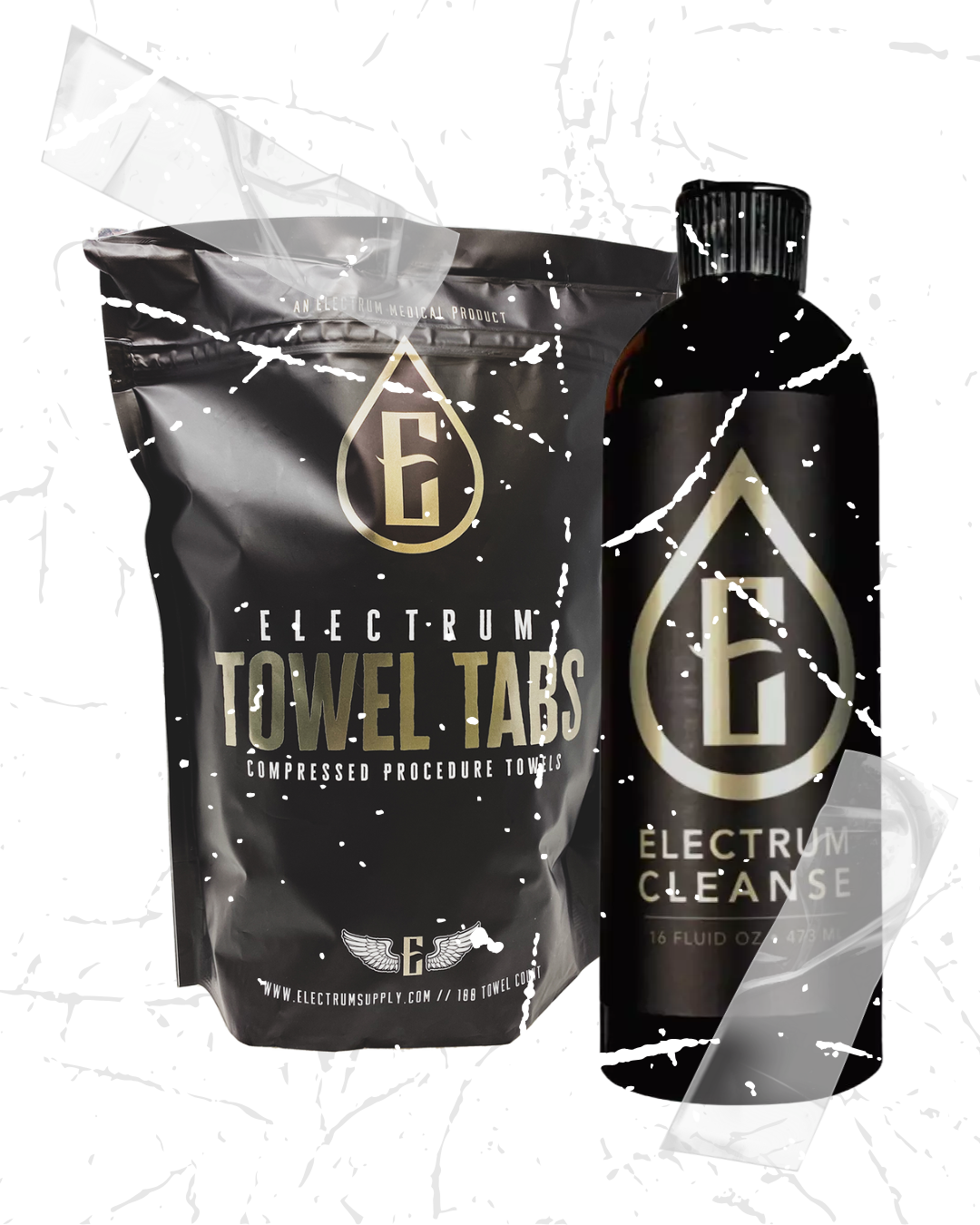
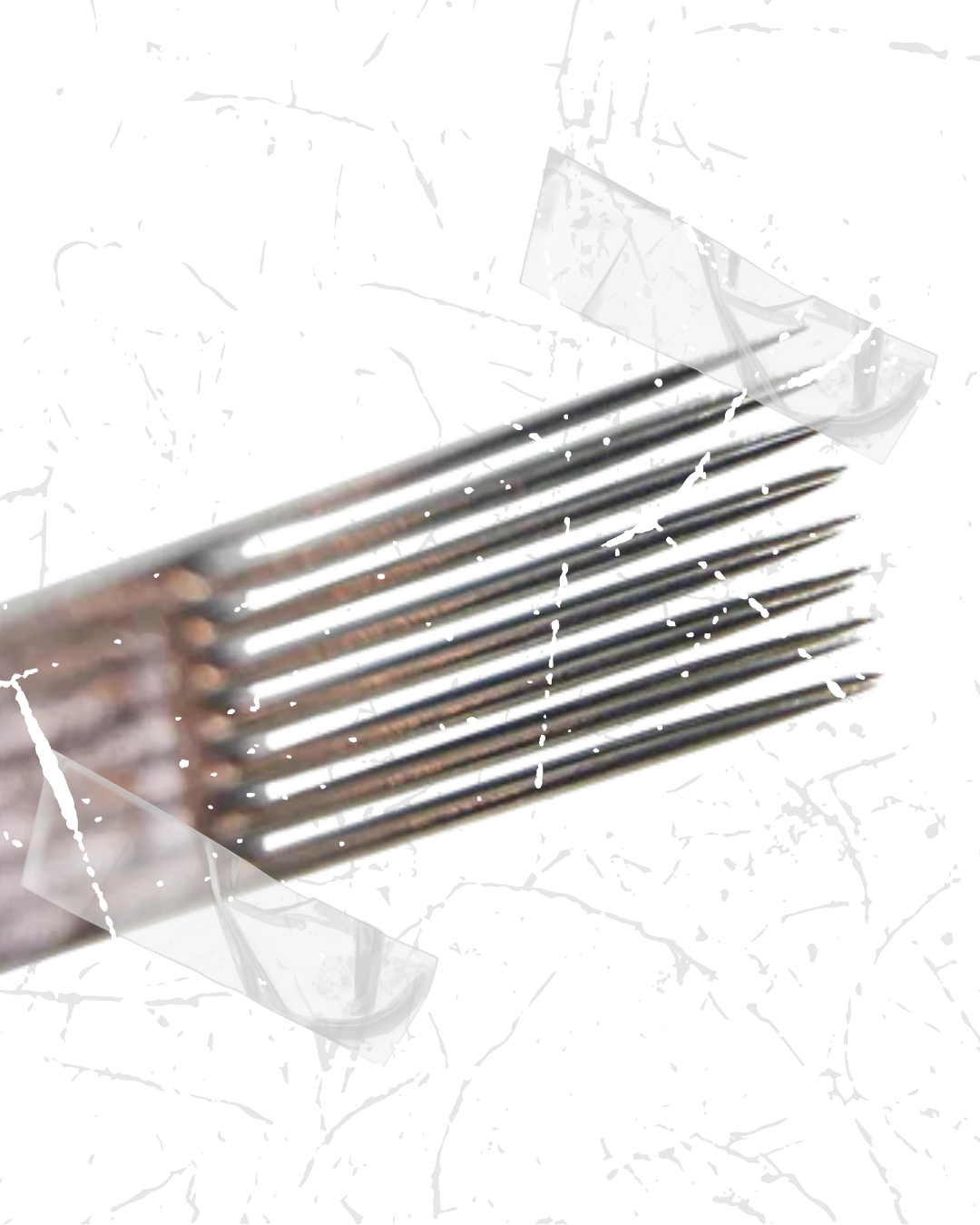
We are committed to providing tattoo artists with the best selection of top-quality tattoo products to enhance the craft. Our extensive inventory of tattoo supplies includes premium tattoo inks, tattoo needles, tattoo machines, and cartridge tattoo needles, ensuring you have the essential tools for exceptional artistry. We also offer a range of medical supplies, such as tattoo anesthetics and ointments, to support safe and comfortable tattooing experiences.
With a focus on quality, innovation, and customer satisfaction, Electrum Supply is your trusted partner in the tattoo industry, indlucing tattoo wholesale. Explore our diverse product lineup today, including Electrum Ink, and discover why professionals choose us for their tattoo supply needs.
Featured Tattoo Supplies
Built by artists, trusted by professionals.
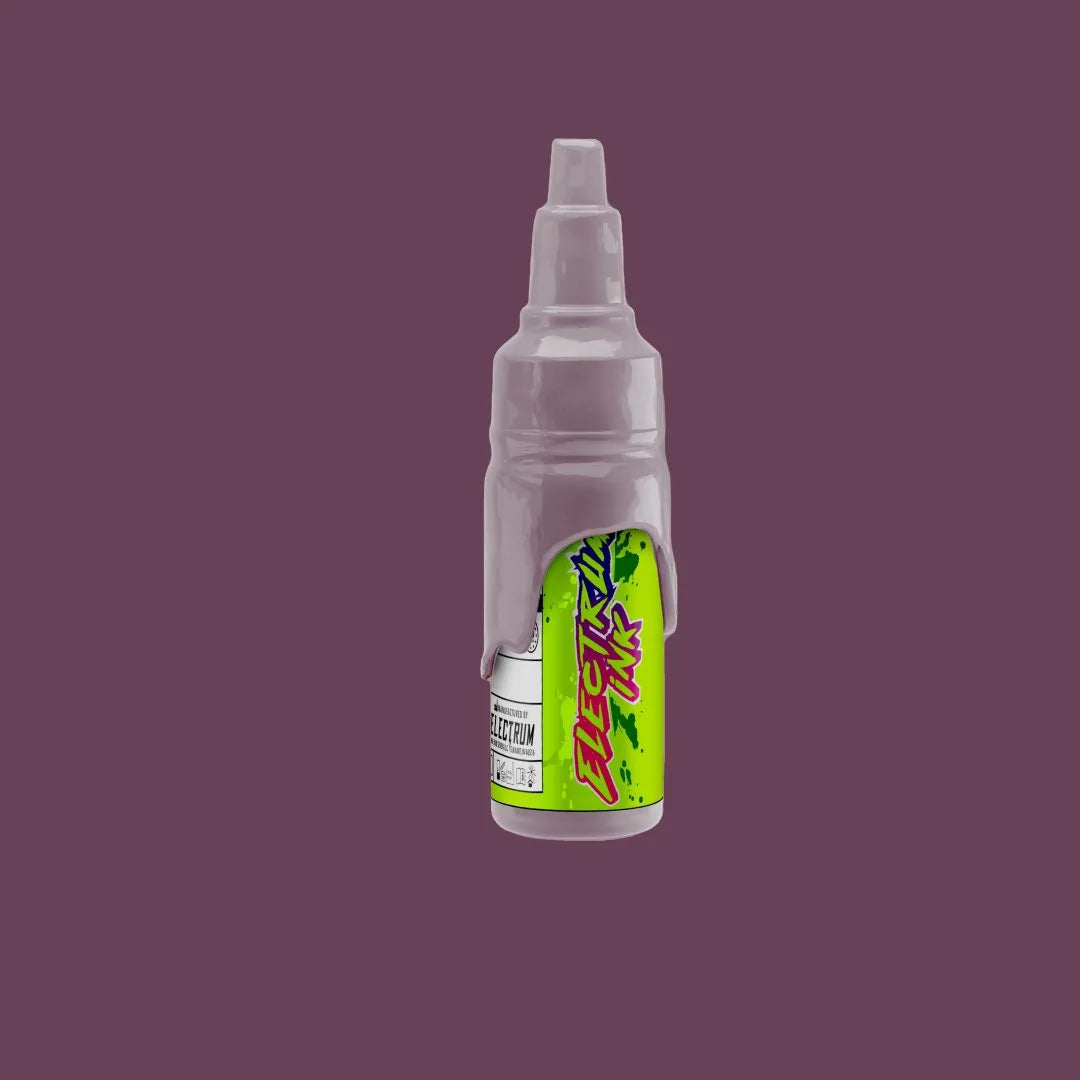
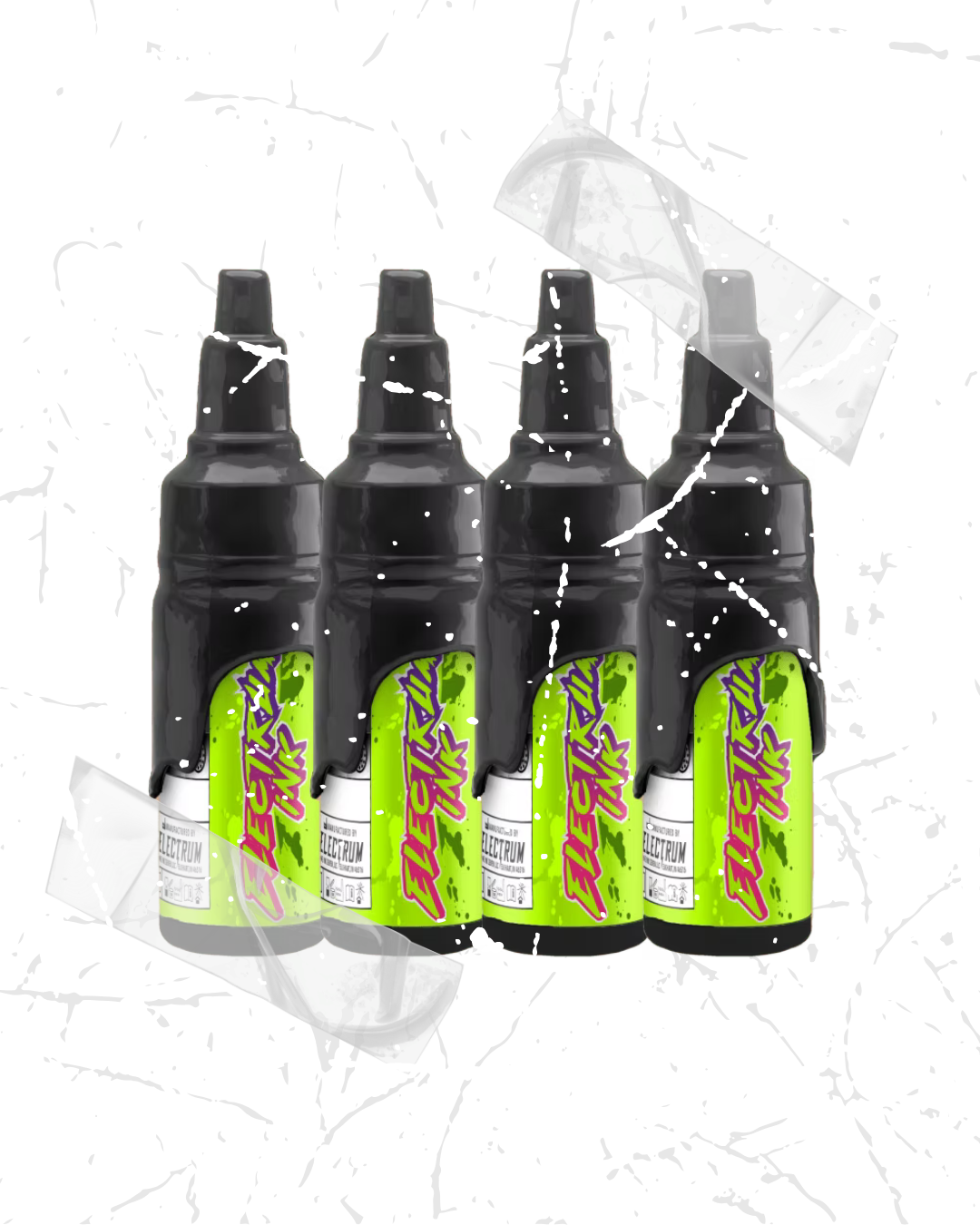
Electrum Ink - Huckleberry - (Part of Cowpoke Tattoo Ink Set)
Choose your option
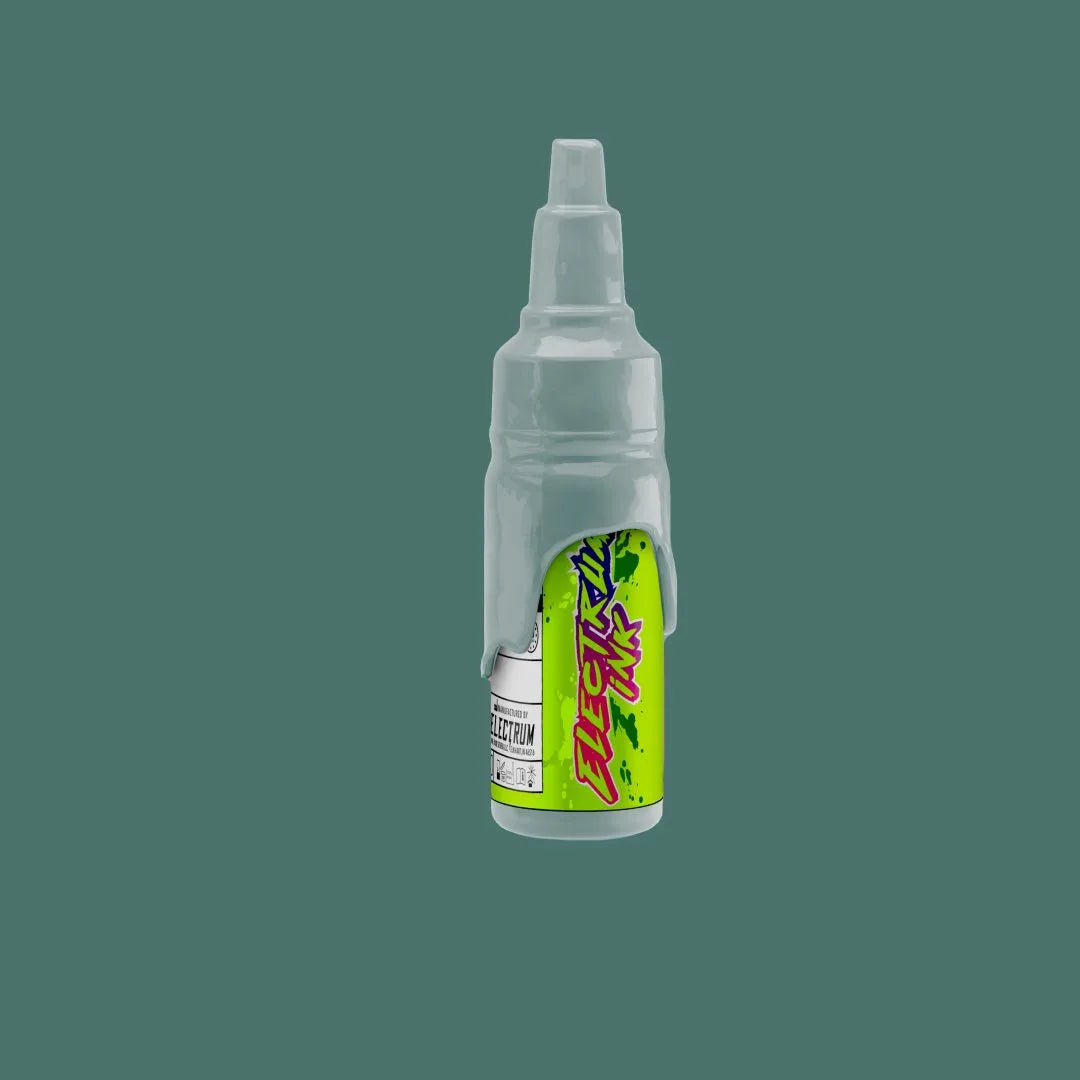
Electrum Tattoo Ink - Gunslinger - (Part of Cowpoke Tattoo Ink Set)
Choose your option
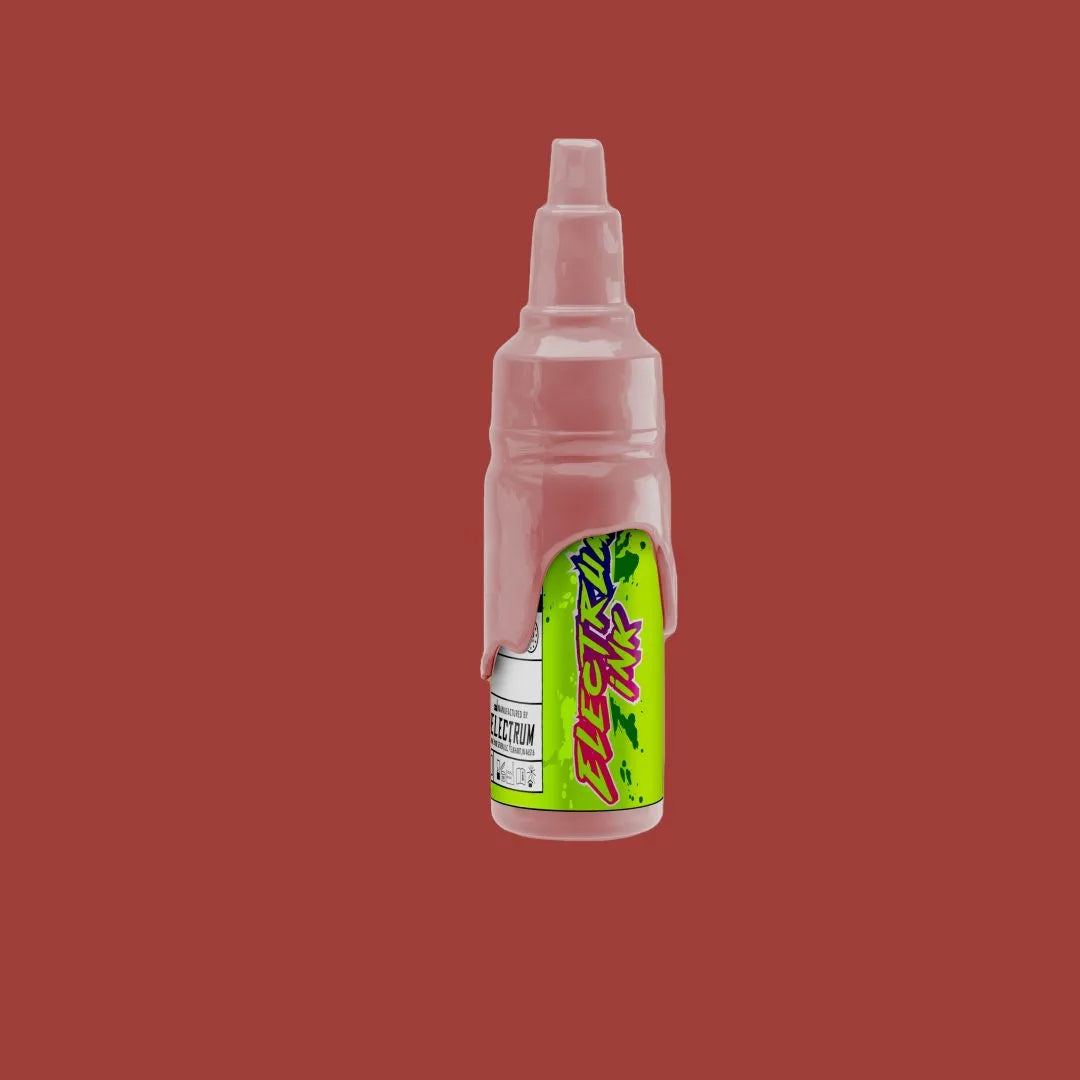
Electrum Ink - El Paso - (Part of Cowpoke Tattoo Ink Set)
Choose your option


Electrum Ink - Cowpoke 8 Color Tattoo Ink Set
Choose your option

Electrum Ink - Deadwood - (Part of Cowpoke Tattoo Ink Set)
Choose your option
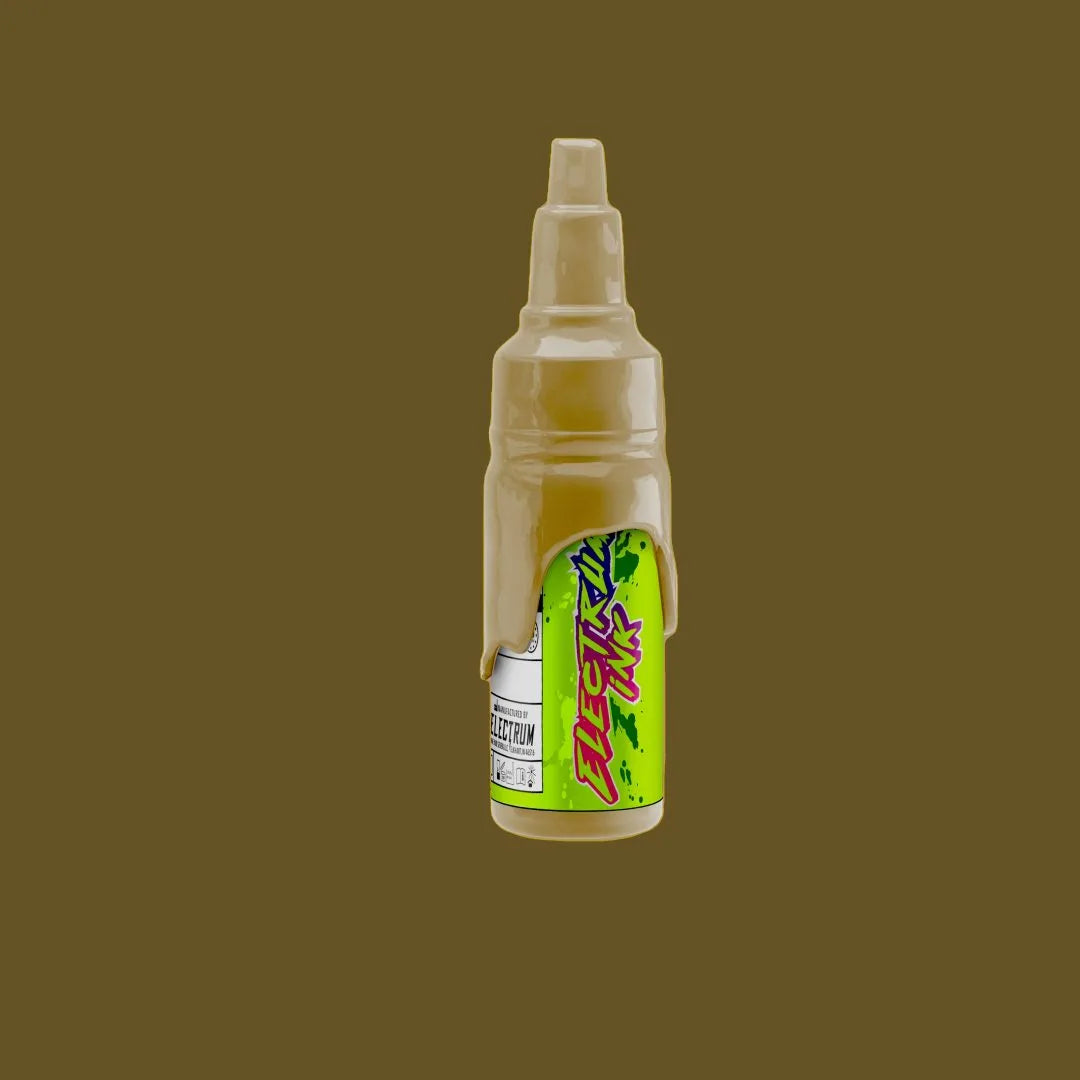
Electrum Ink - Fools Gold - (Part of Cowpoke Tattoo Ink Set)
Choose your option
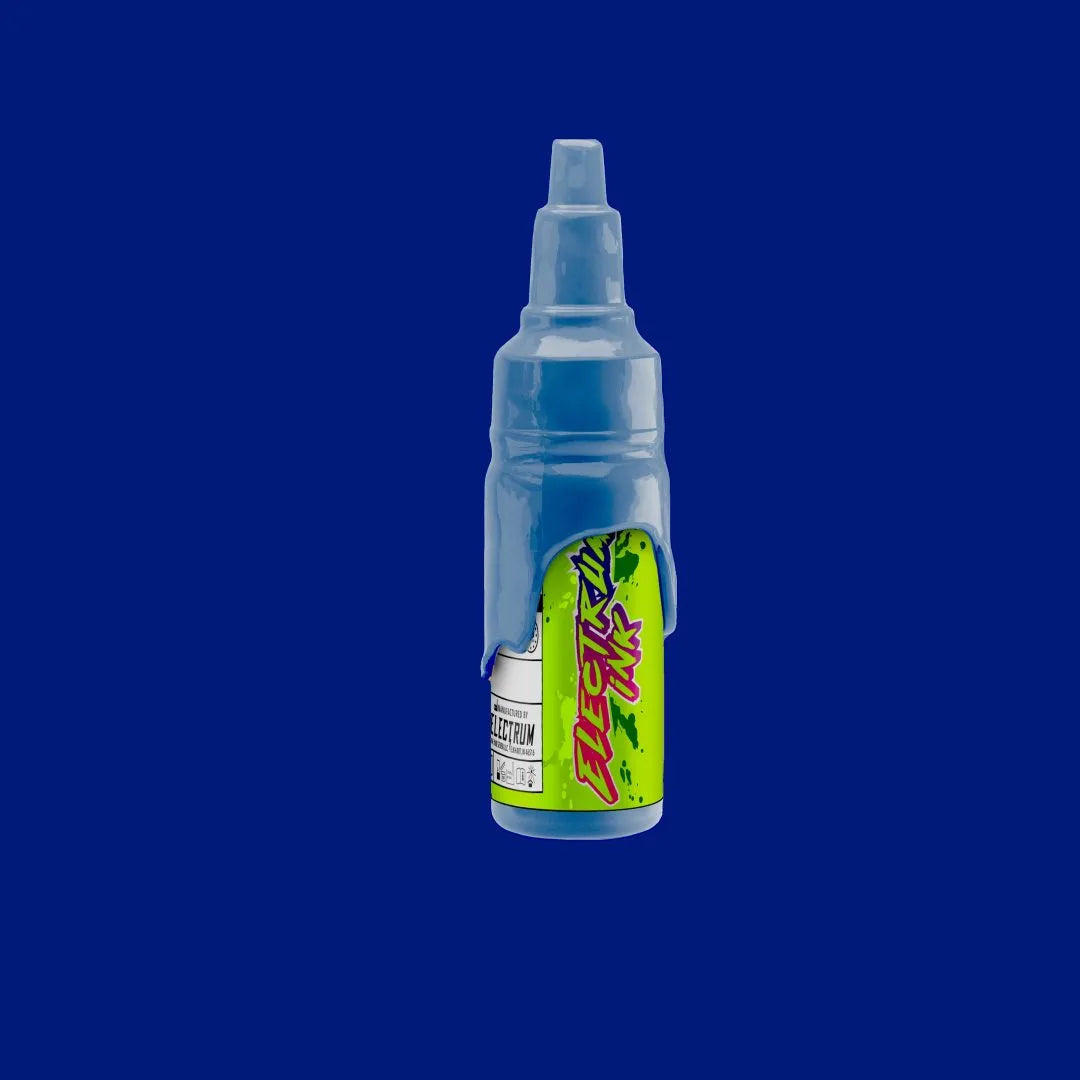
Electrum Ink - Dead Man's Hand - (Part of Cowpoke Tattoo Ink Set)
Choose your option


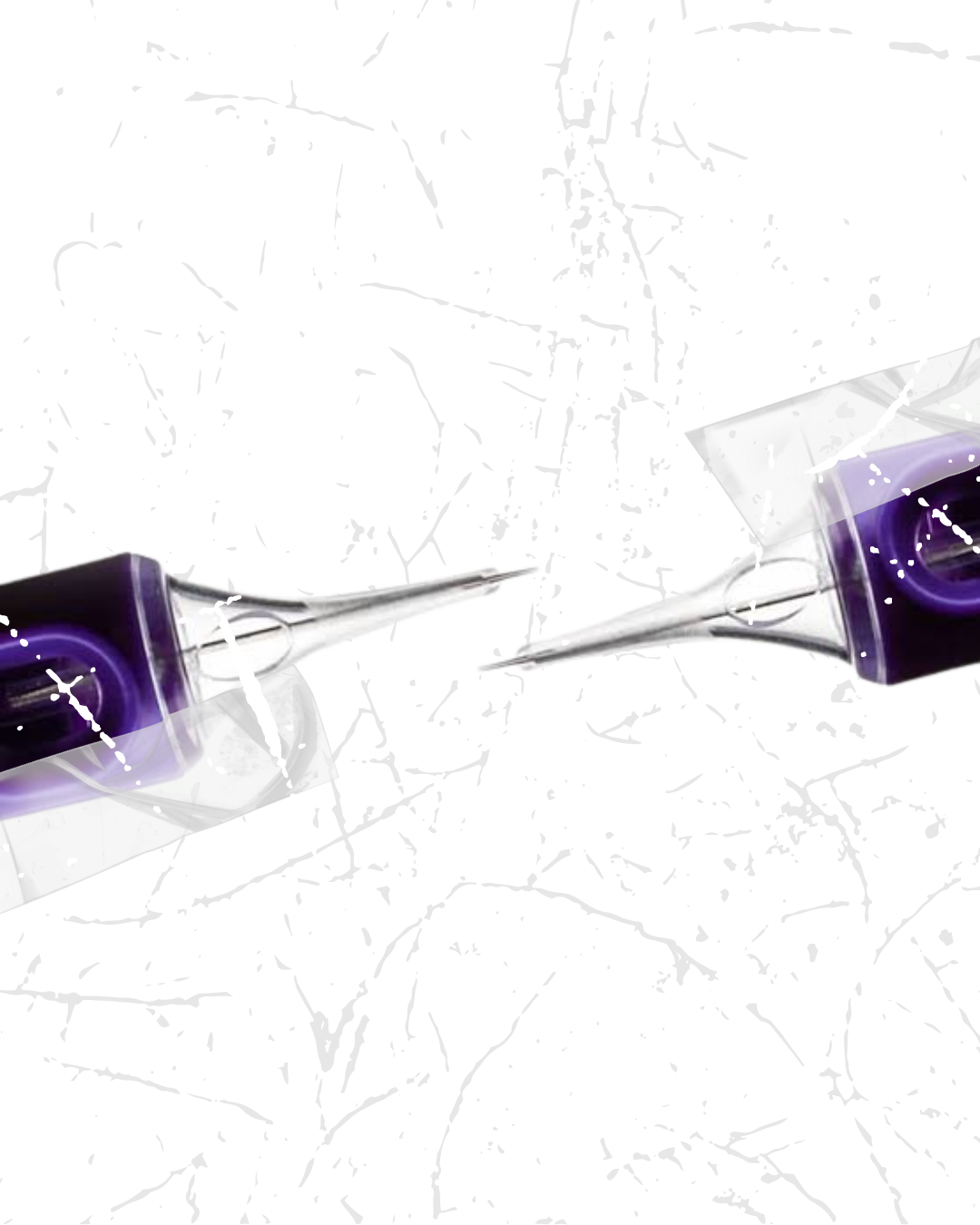
Electrum Gold Standard Cartridge Needles - Round Liner (Regular Tight)
Choose your option


Electrum Gold Standard Cartridge Needles - Curved Magnum
Choose your option


Electrum Gold Standard Cartridge Needles - Round Shader
Choose your option


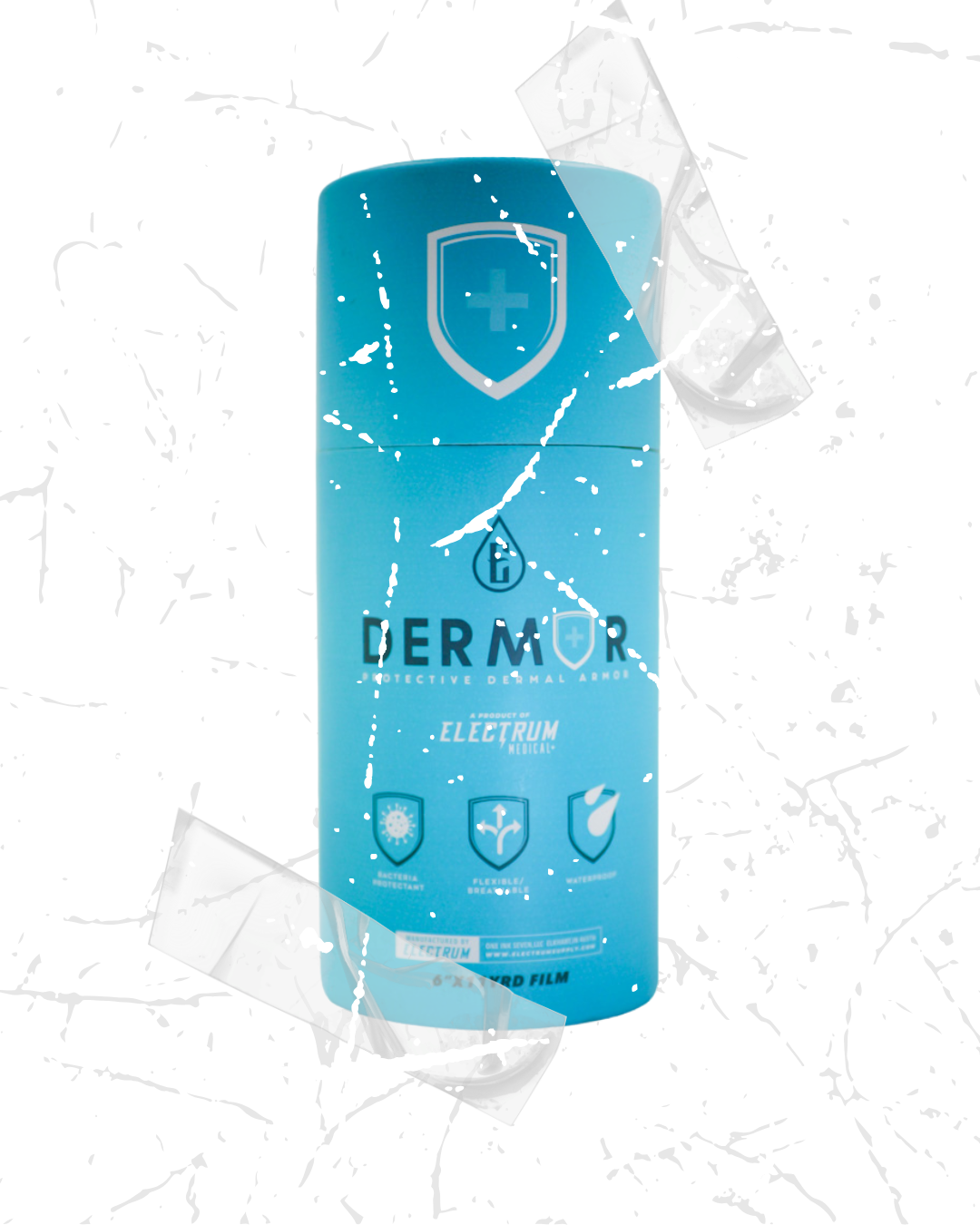
Electrum DERMOR Protective Dermal Armor
Choose your option


Electrum Gold Standard Cartridge Needles - Bugpin Round Liner
Choose your option


Electrum Gold Standard Cartridge Needles - Round Liner (Super Tight)
Choose your option


Electrum Gold Standard Cartridge Needles - Bugpin Curved Magnum
Choose your option
We Have Moved
We’ve moved our warehouse and storefront from CR 45 to 1527 W. Wilden Ave.
Thank you for your patience and for being part of the Electrum family.
Full details available in our blog post below.
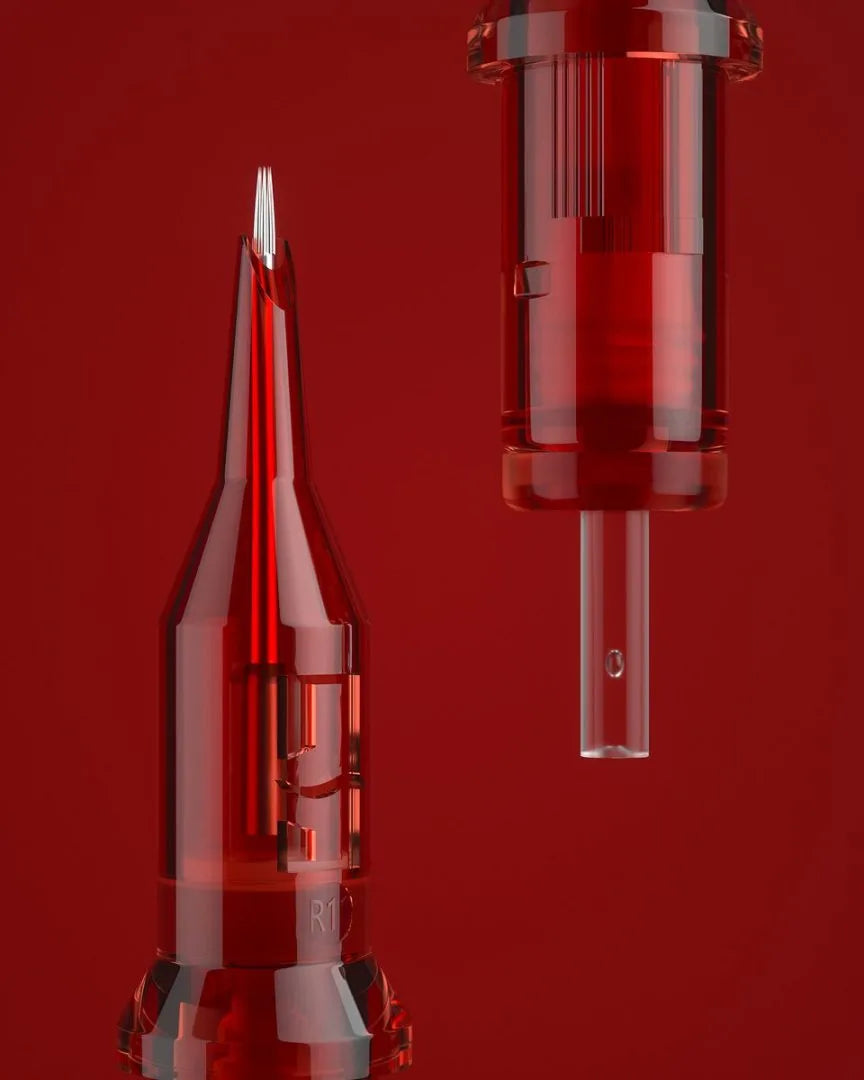
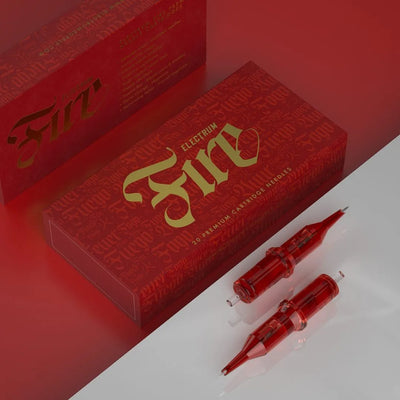
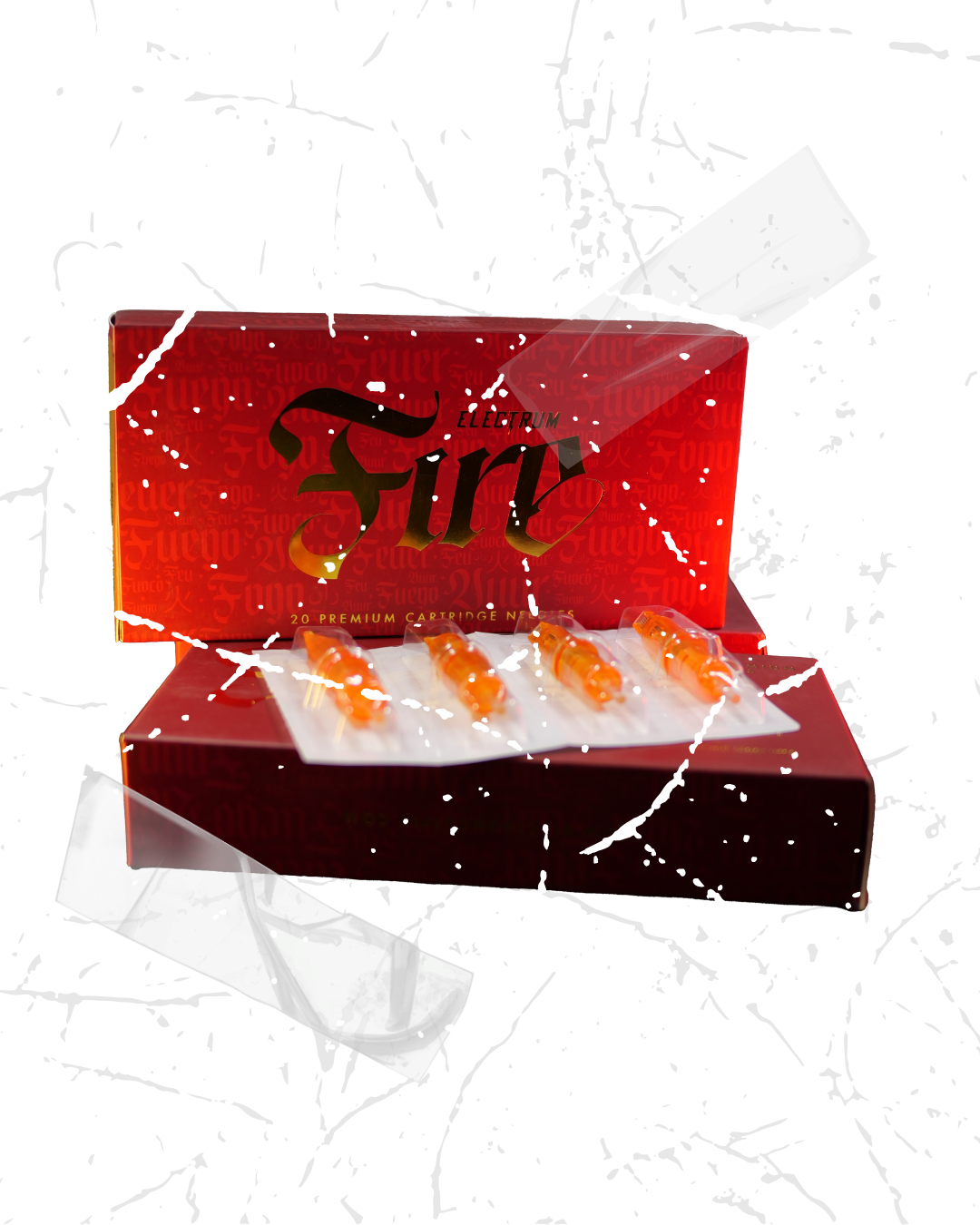
Start Playing with Fire
- Safe AF - Industry standard internal membrane
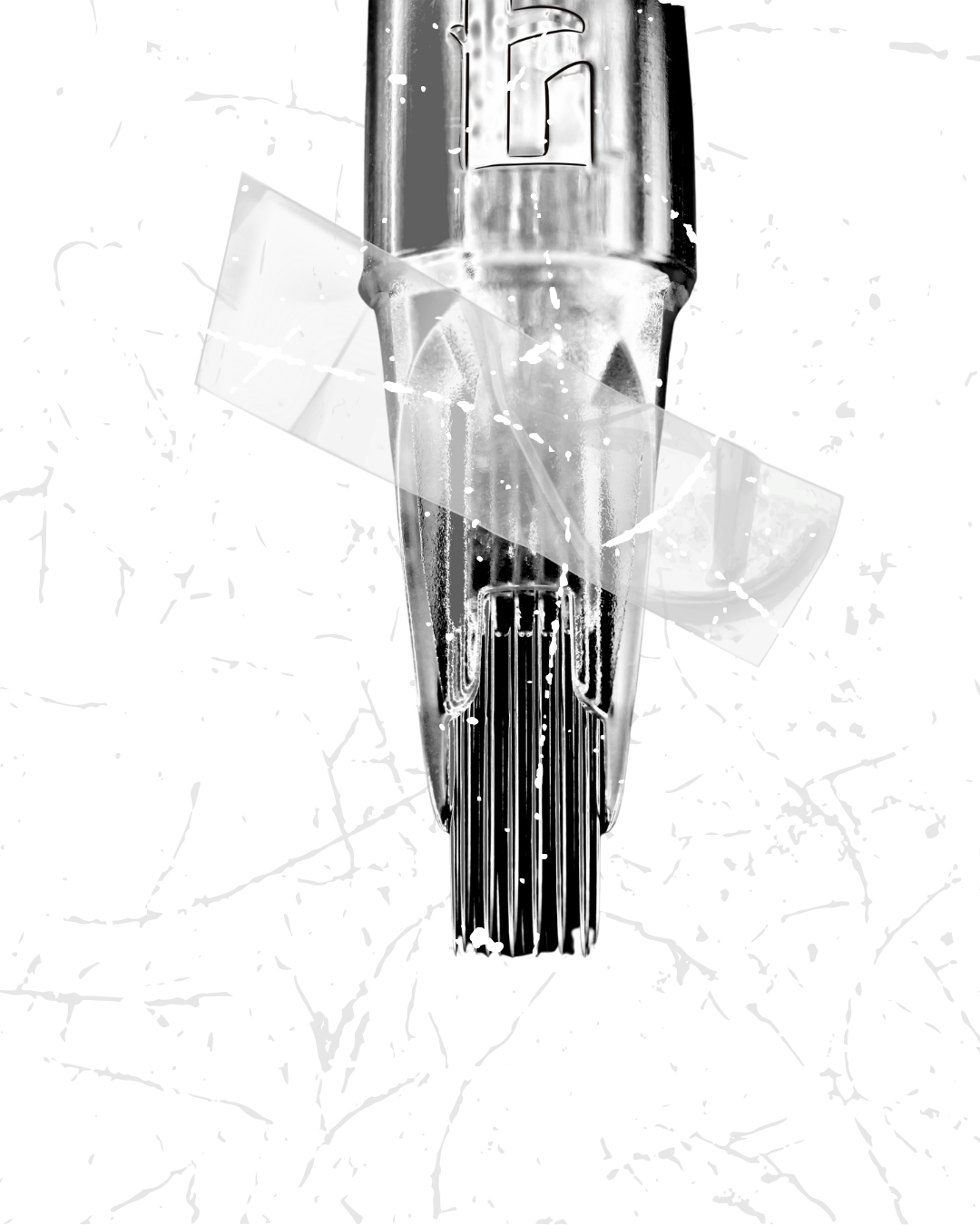
- Stable AF - Featuring the FIRST Double Stabilization Technology (Patent Pending) - Say good bye to needle wobble
- Sharp AF - Crafted with the sharpest 316 Surgical Steel to stay sharp for even the LONGEST sessions
- Affordable AF - Stop paying the premium prices for cartridges - FIRE Cartridges are the same quality as brands like Peak Stellar and Kwadron, but without the excessive pricing.
We're OFFICIALLY changing the meaning of AF to (As Fire)
Use code TRYME20 for 20% off your first order. Use code DISRUPT30 on any Electrum cartridge orders over $500 (FIRE, Gold Standard & PMU) to save 30% every time you order
Shop Premium Tattoo Cartridges


Electrum FIRE Premium Tattoo Needle Cartridges - Round Liner Regular Tight #12
Choose your option


Electrum FIRE Premium Tattoo Needle Cartridges - Round Liner Super Tight #12
Choose your option


Electrum FIRE Premium Tattoo Needle Cartridges - Round Liner Bugpin #8
Choose your option


Electrum FIRE Premium Tattoo Needle Cartridges - Round Power Super Tight Liners #12
Choose your option


Electrum FIRE Premium Tattoo Needle Cartridges - Round Shader #12
Choose your option


Electrum FIRE Premium Tattoo Needle Cartridges - Curved Magnum #12
Choose your option


Electrum FIRE Premium Tattoo Cartridges - Curved Magnum Bugpin #8
Choose your option


Electrum FIRE Premium Tattoo Needle Cartridges - Magnum #12
Choose your option
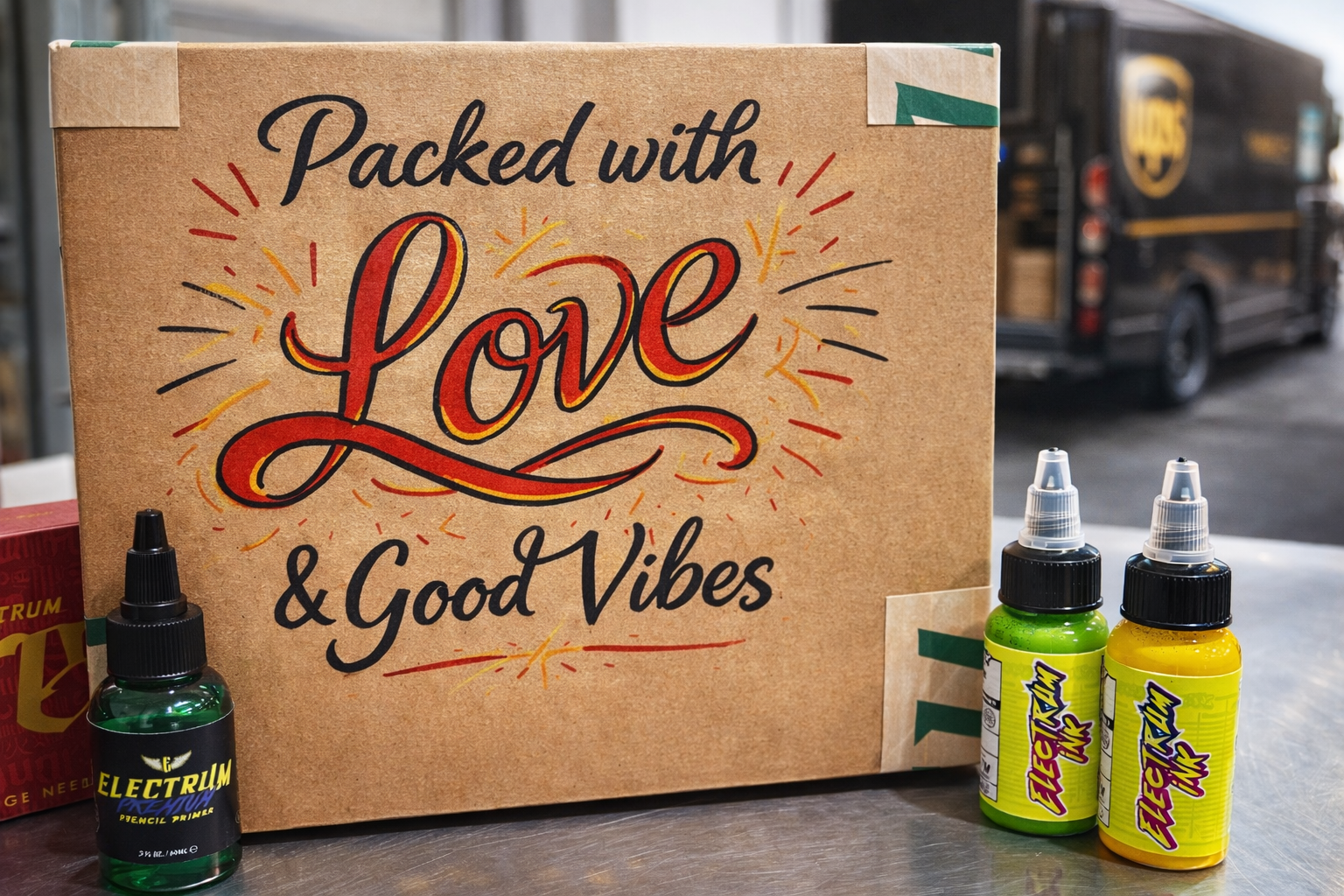

Made With Love & Good Vibes
We are committed to providing tattoo artists with the best selection of top-quality tattoo products to enhance the craft. Our extensive inventory of tattoo supplies includes premium tattoo inks, tattoo needles, tattoo machines, and cartridge tattoo needles, ensuring you have the essential tools for exceptional artistry.
We also offer a range of medical supplies, such as tattoo anesthetics and ointments, to support safe and comfortable tattooing experiences.
What Tattoo Artists Say About Electrum Tattoo Supplies
"My favorite thing about Electrum's Inks is how smooth it is to saturate and blend pieces! From mixing to applying, it's always so smooth and buttery! It's healed finish is also super satisfying and perfectly pigmented."

"I've been using their stencil transfer gel for years. I was excited to recently find out they offer so much more. Their own stencil paper, tattoo cartridges, grips. Just received my first order and my box had positive vibes all over it. I'm not a girl or anything and I've never used this word before... but it was adorable. Or "Adorbs" if my slang is hip."

"I've been using Electrum Ink for well over a year now when they first launched in Australia.I especially love the quirky and fun names of the colors! Even from my first use I noticed how easily they saturated into the skin and blended. My healed work definitely comes back super vibrant even with pastel colours."

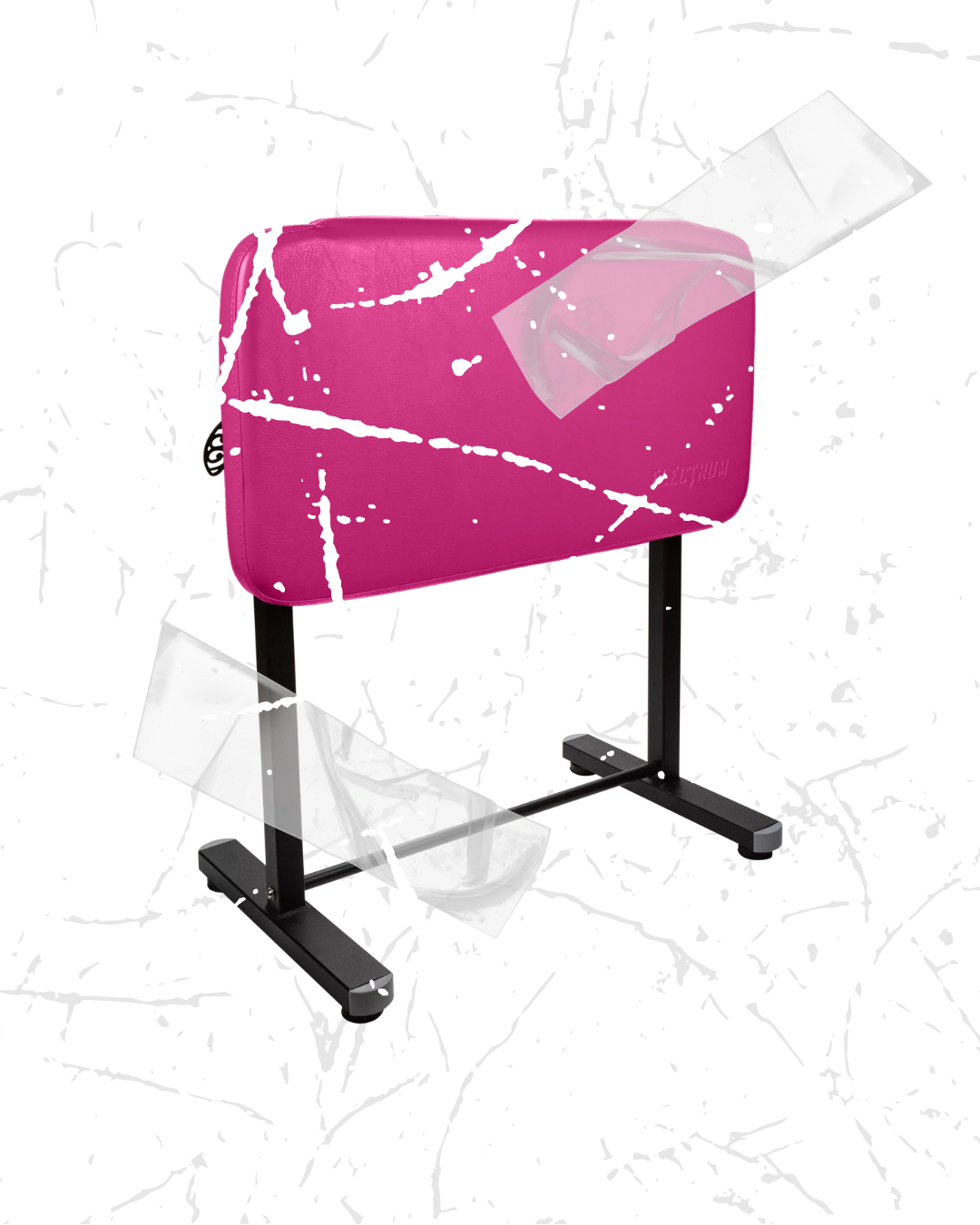
"Searching for an XL (XXL) arm rest, and I’ve had experience with 2 big name brands. One “workshop” and Electrum. I can honestly say the one thing that set these two apart for me was the customer service and willingness to actually hear me, and help."

"The products they supply my tattoo guy make my tattoos so much easier!!! Thank you. He put the clear DERM layer (I think that's what it is called) helped with my healing so so so much!"

"Since I started using their full range, I've experienced the comfort, quality and outstanding performance they bring to the tattoo process. What I love the most is how functional everything is: each product is designed with professional logic, aimed at making every stage of the process easier and more efficient."

"This heals fucking black"

Shop Electrum Merch



Electrum Supply Voltage Crop Hoodie
Choose your option


Choose your option
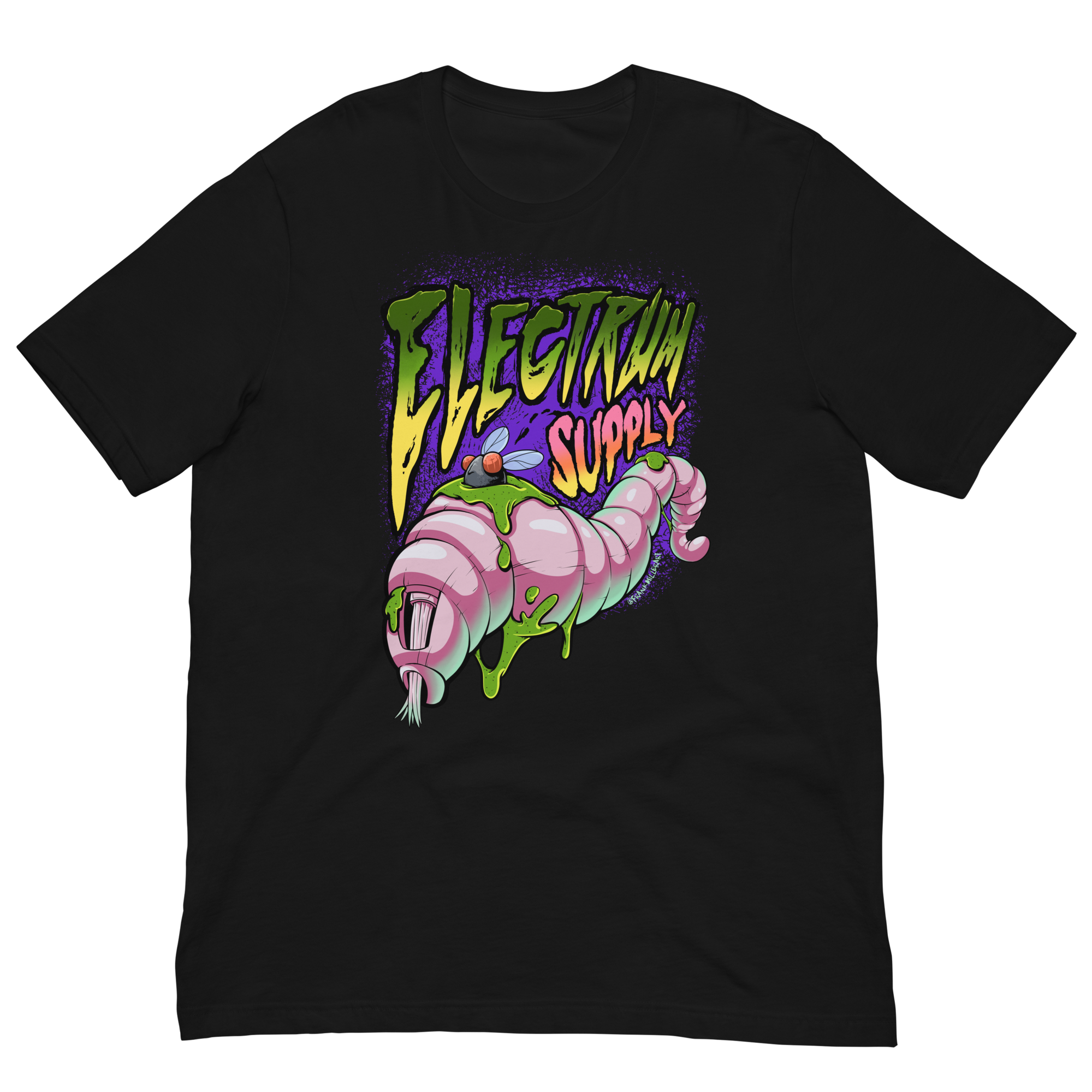
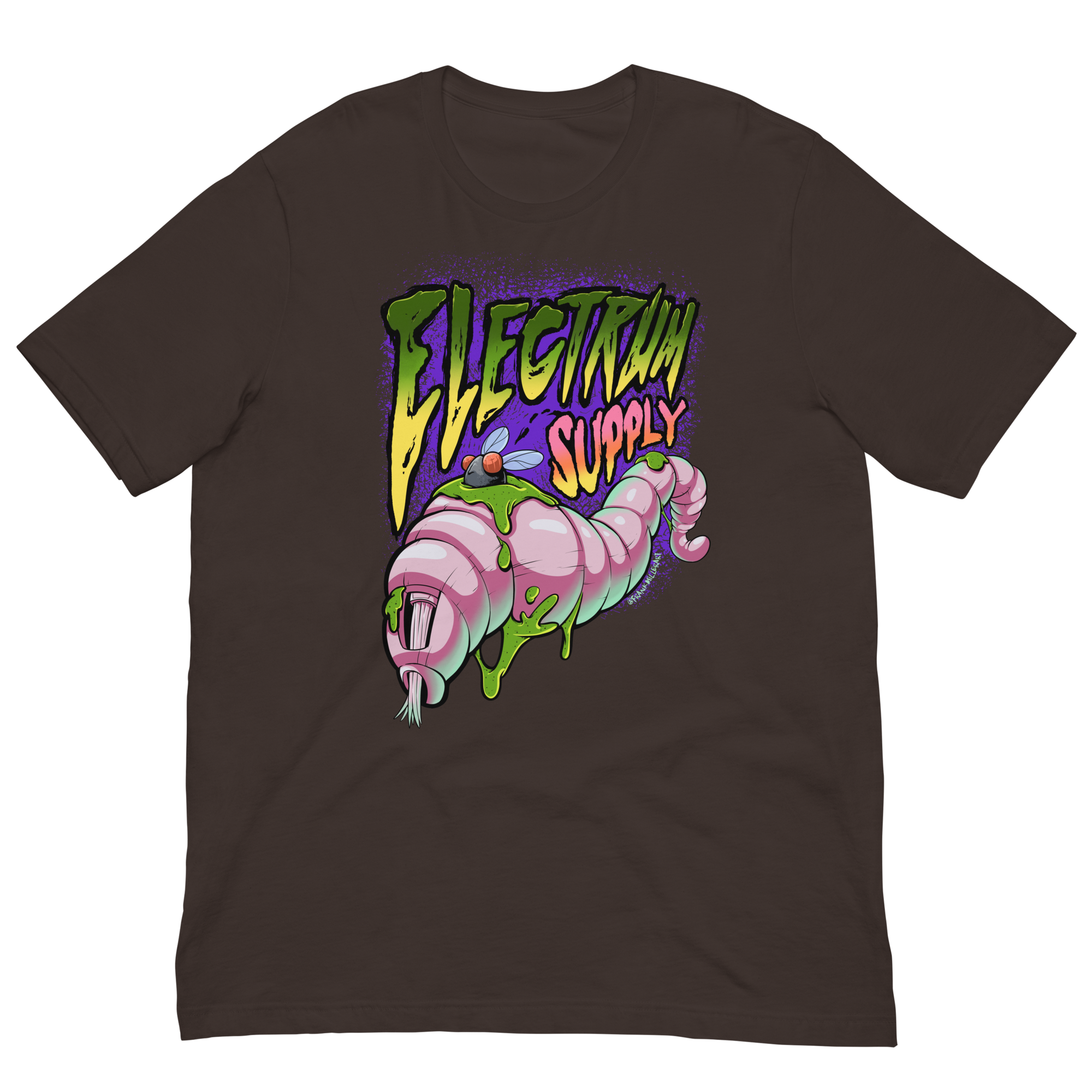
Frank Miller - "Fly Me to the Doom" Tee
Choose your option
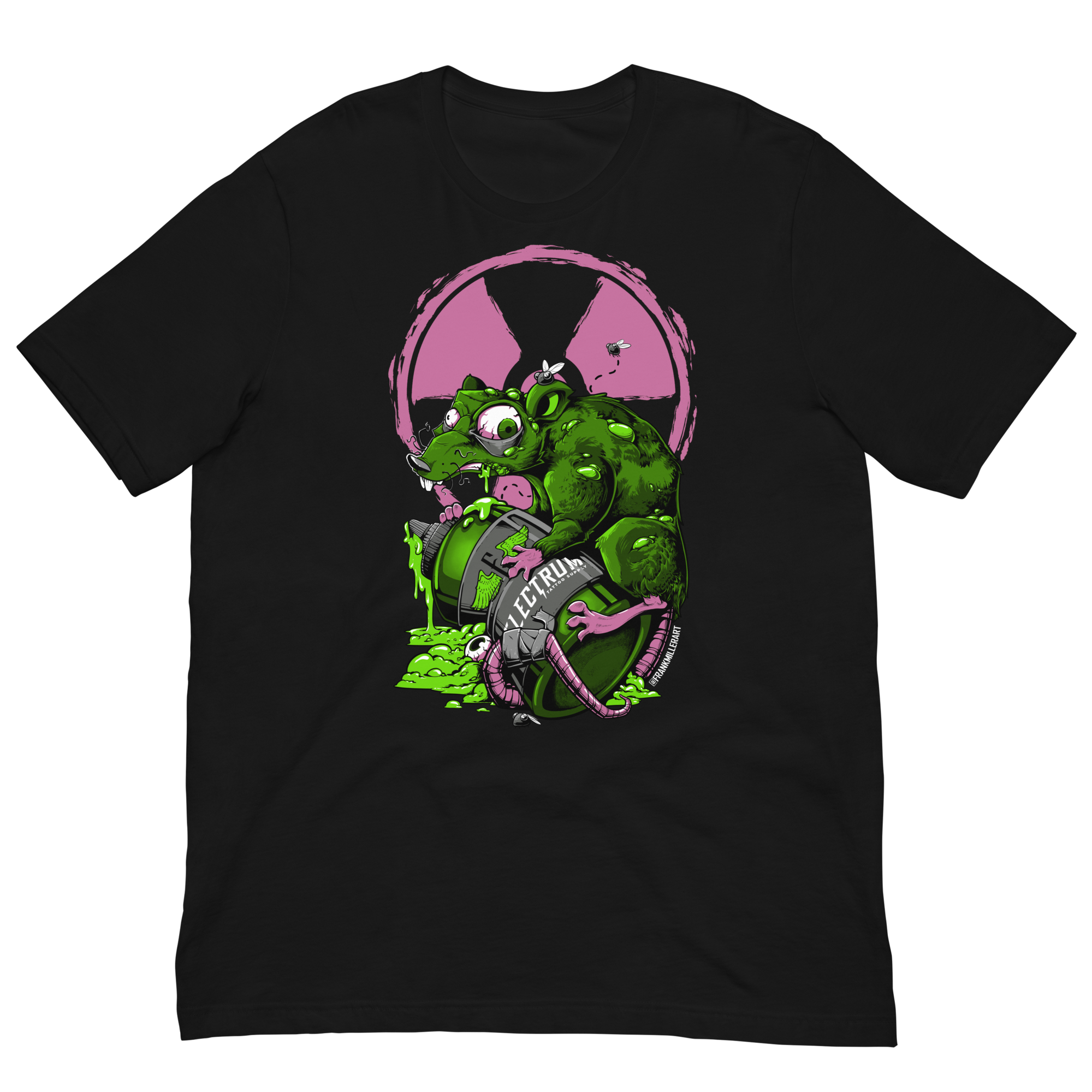
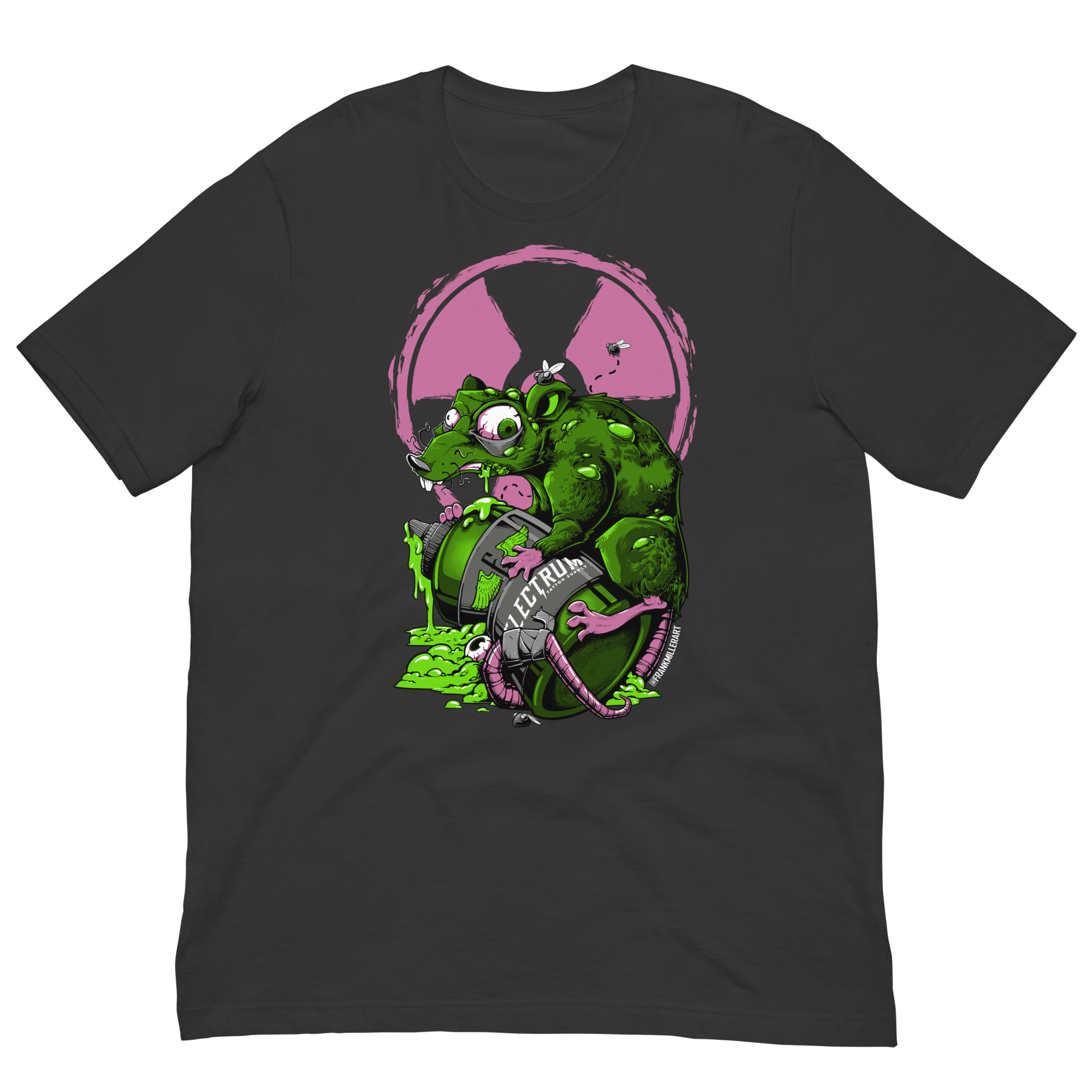
Frank Miller's "Green Gold Cheddar Mutation" Tee
Choose your option
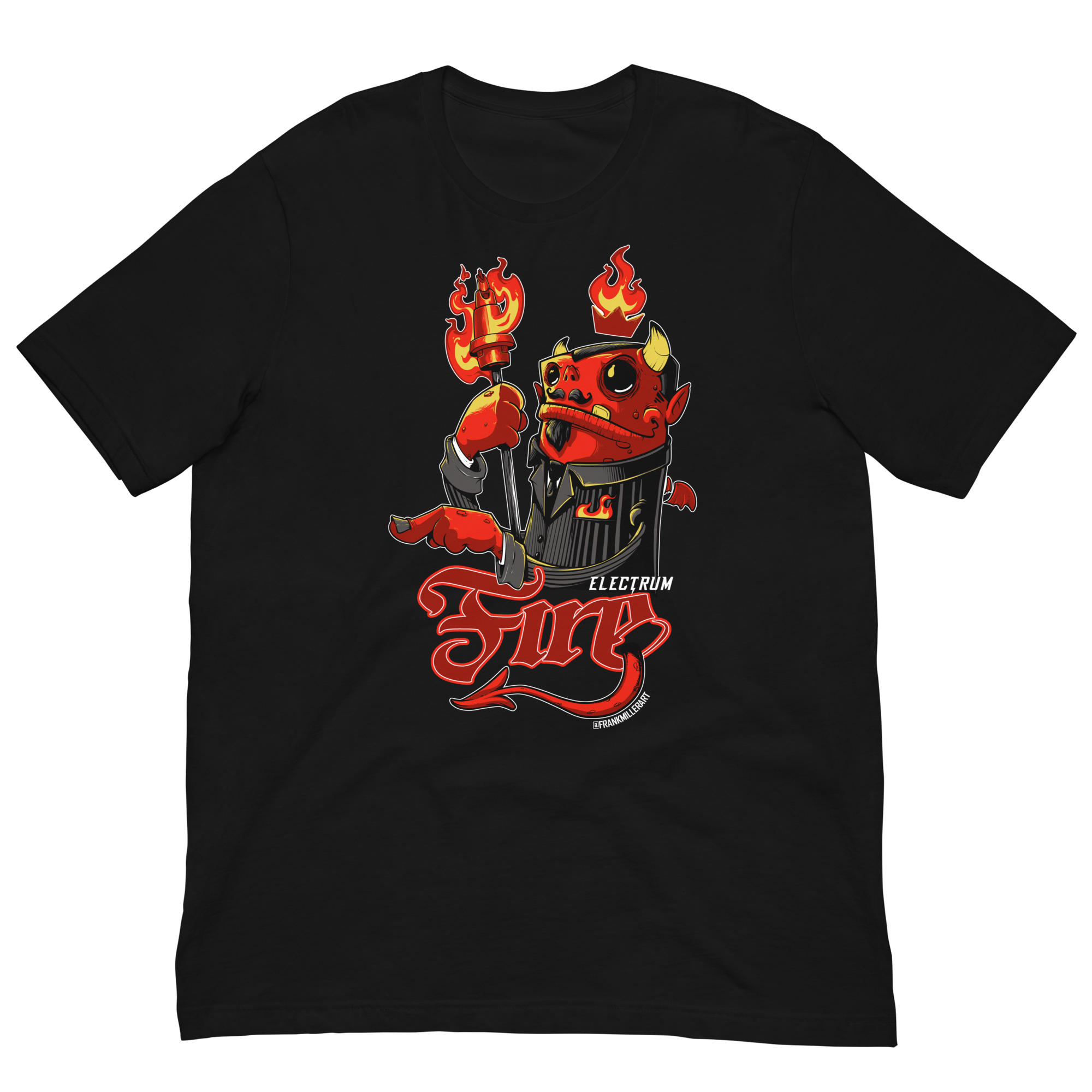
Frank Miller’s "Unholy Saturation" Tee
Choose your option
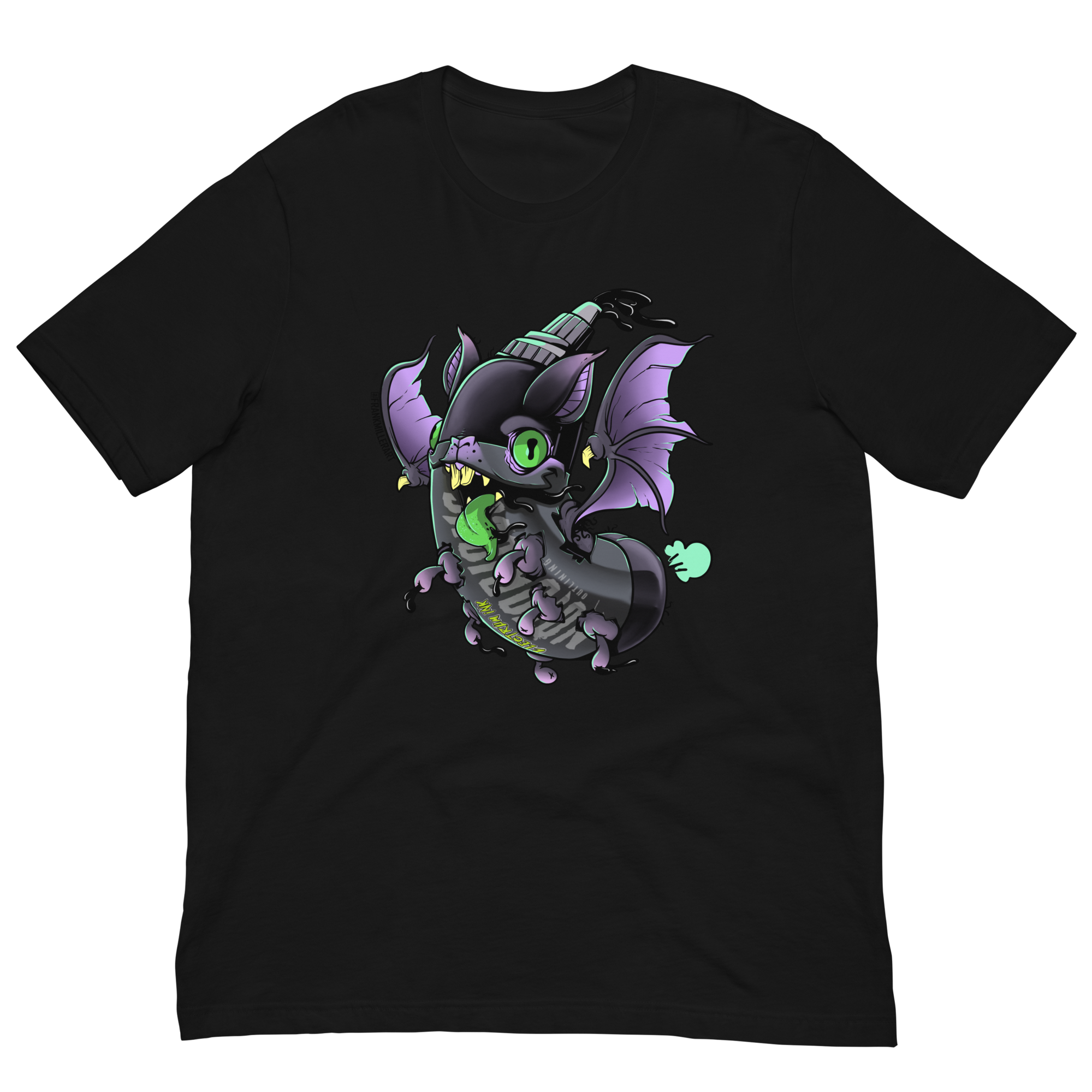
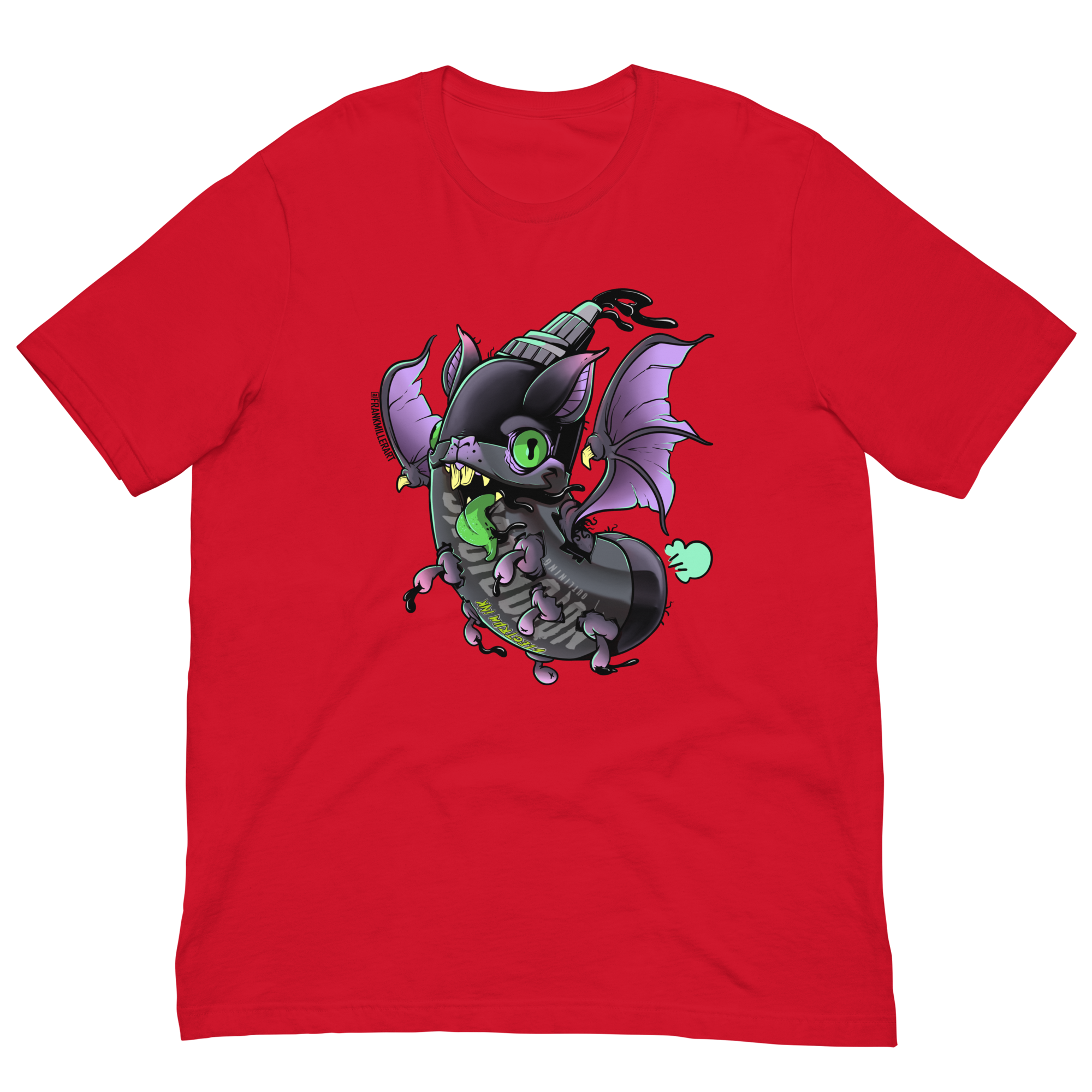
Notorious Ink - "Frankly Batshit" by Frank Miller Tee
Choose your option
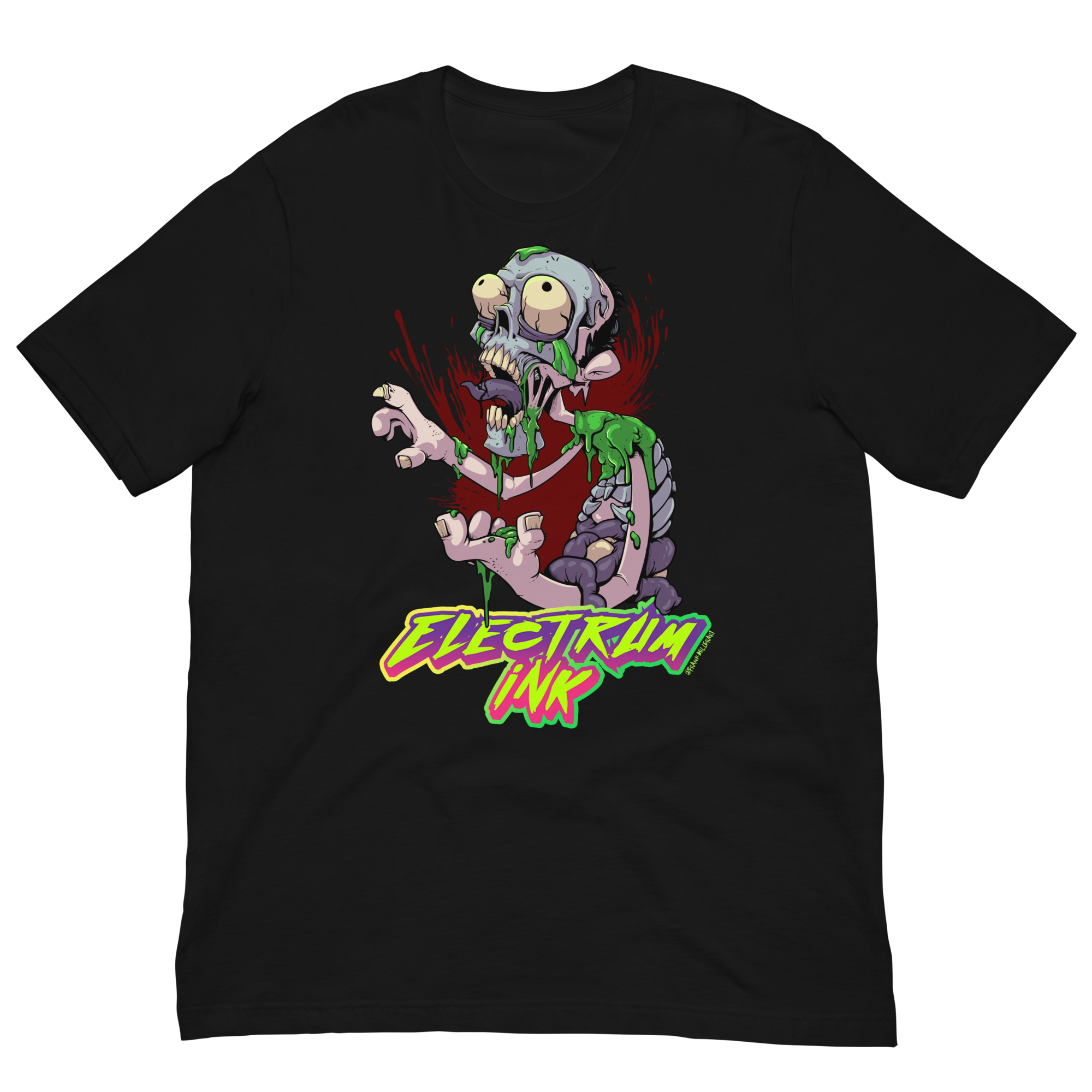
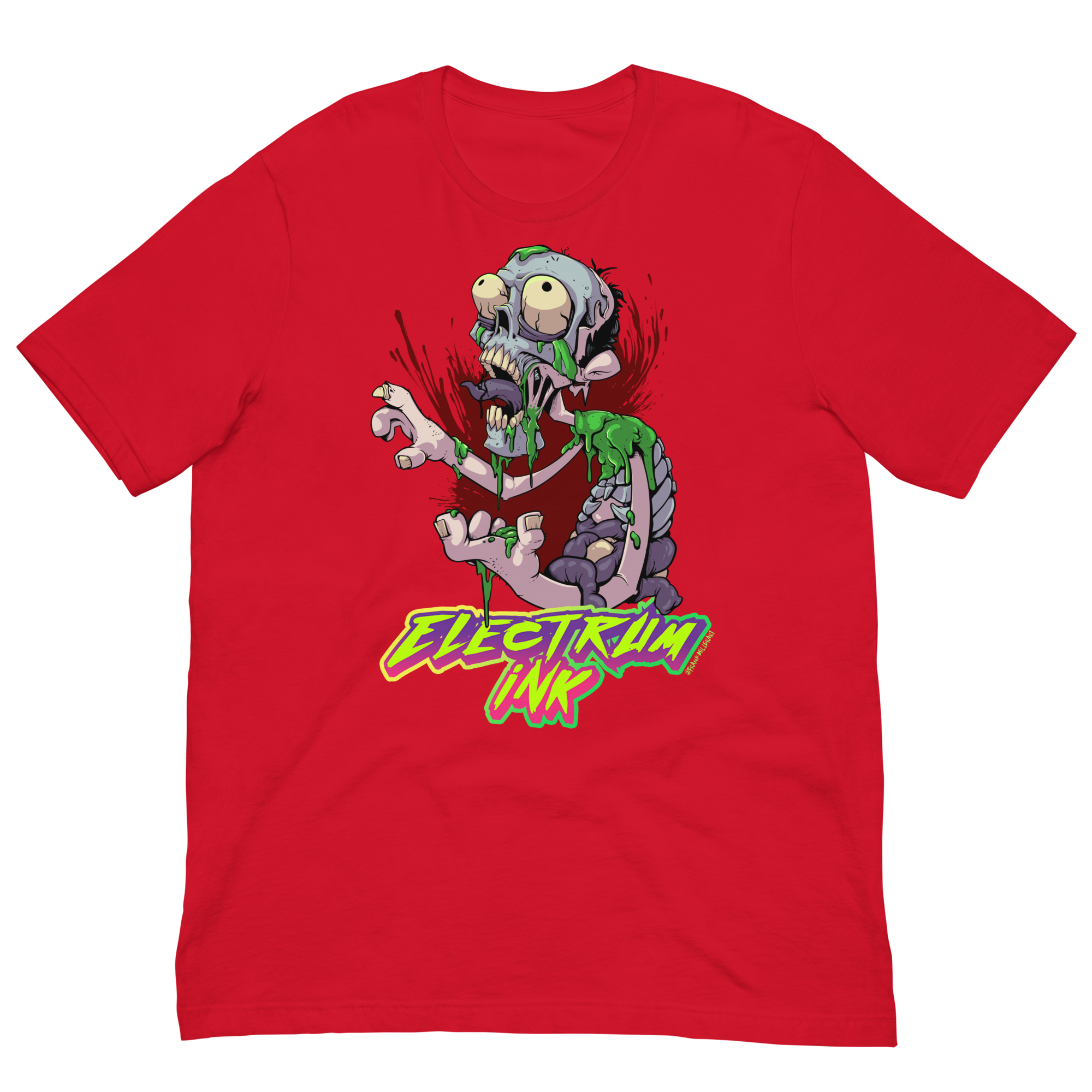
Electrum Ink - Frank Miller's "Zombieeee!" Tee
Choose your option


Electrum Supply Bikini – Pink Glitter Metal
Choose your option
Blog posts

How to Read a Certificate of Compliance for Tattoo Stencil Paper (What's In Your Paper? Pt. 2)
Every supplier says their thermal paper is "safe." Almost none of them will show you a document. Here's how to read a Certificate of Compliance for tattoo stencil paper: what REACH SVHC and RoHS actually mean, what a real test report looks like, and the four things to check before you believe a claim on a box.
Read more
What Is Tattoo Ink Made Of? A Straight Answer From People Who Make It
Tattoo ink is pigment suspended in a carrier solution, but the real differences live in pigment quality, carrier chemistry, and whether a manufacturer can prove what's in the bottle. A no-fog breakdown of what tattoo ink is actually made of, how it's regulated, and why documentation is becoming the industry standard.
Read more
Best Thermal Transfer Paper for Tattoo Stencils: An Honest Buyer's Guide
Thermal paper is the cheapest thing on your station and one of the few that can wreck a nine-hour session. Here is what actually separates good stencil paper from bad, how the categories on the market stack up, and a five-sheet test you can run in your own shop this week.
Read more